When Auto Liability Limits Stop Protecting Your Assets
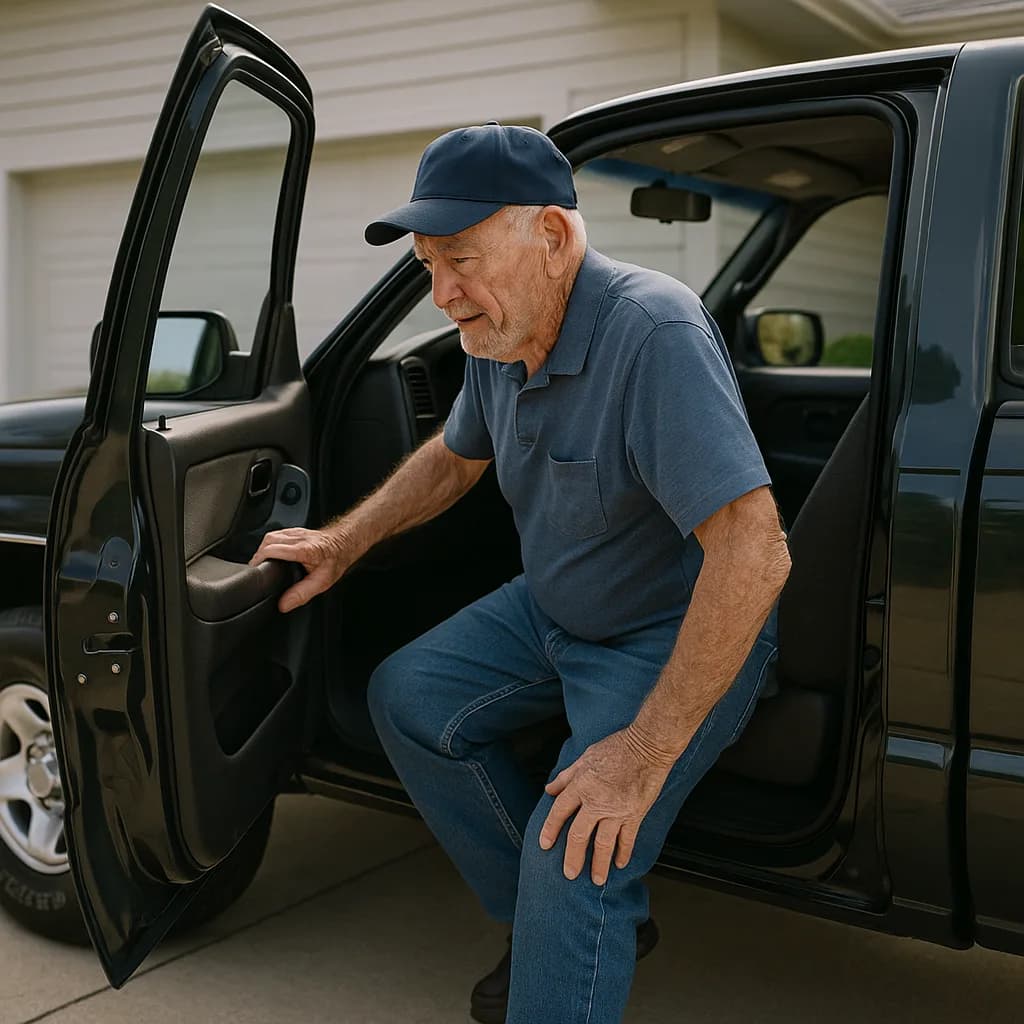
You caused an accident. Your auto policy carries the common $100,000 per-person bodily injury limit. This is the moment umbrella insurance exists to prevent, and most senior drivers don't realize the exposure until they're sitting across from an attorney.
Umbrella policies extend liability coverage beyond your auto and homeowners limits. They activate only after your underlying policy pays its maximum. The question facing every senior driver with meaningful assets is whether the annual premium justifies the protection, and the answer depends entirely on what you own and what your current auto limits actually cover.
Compare rates from carriers that specialize in senior drivers
Mature driver discounts, low-mileage rates, and coverage reviews — see what you're actually eligible for.
Get Your Free QuoteTypical Umbrella Coverage Floor
How Umbrella Coverage Works With Your Auto Policy
Umbrella insurance is excess liability coverage. It does not replace your auto policy. If your current auto liability sits at state minimums, you must increase those limits before a carrier will write an umbrella policy. The umbrella premium assumes your auto policy absorbs the first layer of every claim.
When a claim exceeds your auto limits, the umbrella pays the remainder up to its own limit.
The umbrella also broadens coverage in ways your auto policy does not. Most umbrella policies cover personal liability claims that fall outside auto insurance: libel, slander, false arrest, and certain property damage claims. For senior drivers, the auto liability extension is the primary value, but the broader personal liability coverage is included in the same premium.
Your auto policy protects the car. Umbrella insurance protects everything else you own when the accident costs more than your auto limits cover.
Asset Exposure and the Coverage Decision

Calculate your exposed assets: home equity, taxable investment accounts, savings, and any other non-exempt property. Retirement accounts in qualified plans are generally protected from judgments in most states, but state exemption rules vary. Your primary residence may be partially or fully exempt depending on your state's homestead laws. What remains after exemptions is what a liability judgment can reach, and that figure is what you're protecting with umbrella coverage.
Compare that exposure to your current auto bodily injury limits. The umbrella is almost always the more cost-efficient path to higher liability protection once your assets justify it.
Related Articles





When the Math Justifies the Premium
Umbrella premiums are lower than most senior drivers expect. Carriers price umbrella coverage based on the statistical rarity of claims severe enough to exhaust underlying auto limits and reach the umbrella layer.
The coverage becomes cost-justified when your exposed assets exceed your auto liability limits by a margin large enough that a judgment would materially harm your financial position. If you own your home outright, carry taxable investment accounts, or have significant savings outside retirement plans, umbrella coverage is almost always worth the premium. If your assets are modest and largely protected by state exemptions, the incremental cost may not be justified.
One failure mode: assuming Medicare or health insurance eliminates liability exposure. Medicare pays your own medical costs if you're injured, but it does not pay the other party's costs when you cause the accident. Your auto liability coverage and umbrella policy are what pay the injured party's medical bills, lost income, and pain and suffering damages. Health insurance coordination does not reduce your liability exposure in an at-fault accident.
Common Auto Limit Requirement
$250K
This floor ensures the auto policy absorbs moderate claims and the umbrella activates only in severe accidents, which keeps umbrella premiums low.
Standard carrier underwriting guidelines
Carrier Availability and Bundling
Umbrella policies are typically written by the same carrier that holds your auto and homeowners insurance. Most carriers require you to place both underlying policies with them before they will write the umbrella. This bundling requirement exists because the carrier needs to control the underlying limits and claims handling to manage its own umbrella exposure. Shopping umbrella coverage means shopping your entire insurance portfolio, not just the umbrella policy in isolation.
Not all carriers writing auto insurance offer umbrella policies to senior drivers. Some carriers restrict umbrella eligibility by age, driving record, or underlying policy type. If your current carrier does not offer umbrella coverage or declines to write one based on your profile, you will need to move all policies to a carrier that does. The decision to add umbrella coverage often forces a broader carrier comparison, and that comparison frequently surfaces better pricing on the underlying auto and home policies as well.
Compare Umbrella Options Alongside Auto Coverage
Request umbrella quotes from every carrier you compare for auto insurance. The umbrella premium varies significantly by carrier, and the lowest auto premium does not always come with the lowest umbrella rate. Evaluate the combined annual cost of auto, home, and umbrella coverage together. A carrier with a slightly higher auto premium may deliver a lower total cost when the umbrella and homeowners pricing are factored in.
Verify the underlying limit requirements before committing. The difference in required underlying limits changes the comparison math. Confirm what your current auto limits are, what the carrier requires, and what increasing those limits will cost before evaluating the umbrella premium. The umbrella is only cost-efficient if the underlying auto limits are already close to the required floor.