
When the Other Driver Has No Insurance
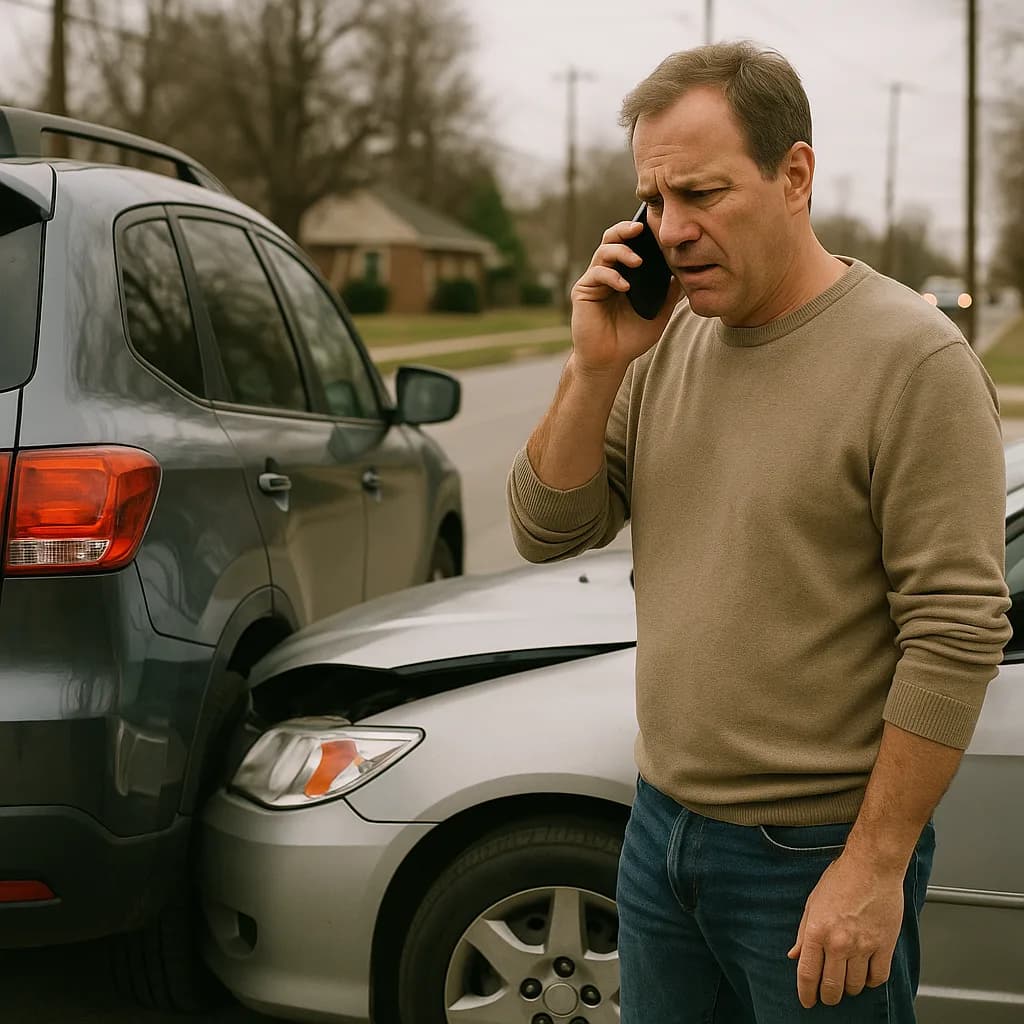
You just reviewed your auto policy declaration page and noticed a line item labeled uninsured motorist coverage. You carry the state minimum liability limits, you have a clean driving record, and you assumed that covered you in an accident. It does not. Liability coverage pays for damage you cause to others. Uninsured motorist coverage pays for damage others cause to you when they carry no insurance or insufficient coverage to pay your claim.
This distinction matters more now than it did when you first bought auto insurance decades ago. Uninsured driver rates have climbed in most states, and the financial exposure from an at-fault uninsured driver hitting you can exceed what liability alone protects. Whether you have uninsured motorist coverage right now depends on state mandate rules, and most senior drivers never reviewed them at renewal.
Compare rates from carriers that specialize in senior drivers
Mature driver discounts, low-mileage rates, and coverage reviews — see what you're actually eligible for.
Get Your Free QuoteNational Uninsured Driver Rate
12.6%
One in eight drivers on the road carries no auto insurance, according to Insurance Research Council data. In states with higher uninsured rates, the probability you will be hit by an uninsured driver increases proportionally, making uninsured motorist coverage a structural necessity rather than an optional add-on.
Insurance Research Council, 2022
What Uninsured Motorist Coverage Actually Pays
Uninsured motorist bodily injury coverage pays your medical bills, lost income, and pain and suffering damages when an at-fault driver with no insurance injures you. Uninsured motorist property damage coverage pays to repair your vehicle when an at-fault uninsured driver damages it. Some states bundle these; others sell them separately. A few states fold property damage into collision coverage and do not offer a standalone uninsured motorist property damage option.
The coverage limit you select operates like liability: if you carry $50,000 per person in uninsured motorist bodily injury, that is the maximum the policy pays for your injuries in a single accident caused by an uninsured driver. Higher limits cost more but protect retirement assets and fixed income from out-of-pocket medical bills the at-fault driver cannot pay.
Underinsured motorist coverage is a related product that pays when the at-fault driver carries insurance but their liability limit is lower than your damages. If the other driver has $25,000 in liability and your medical bills total $60,000, underinsured motorist coverage pays the gap. Some states mandate both uninsured and underinsured together; others treat them as separate optional endorsements.
Your liability coverage does not protect you when someone else causes the accident. That gap is what uninsured motorist coverage exists to fill, and most senior drivers carry it without knowing how the limits work.
State Mandate Rules and Rejection Requirements

States with automatic inclusion mandates require insurers to add uninsured motorist coverage to every new policy at limits equal to your liability limits unless you sign a rejection form. If you never signed the form, you have the coverage. States with offer-only mandates require insurers to offer the coverage but do not include it automatically; you must affirmatively select it at purchase or renewal. If you skipped the question or left it blank, you do not have it.
A third group of states treats uninsured motorist coverage as fully optional with no mandate of any kind. Insurers may offer it, but they are not required to, and many do not present it prominently during the quote process. Senior drivers in these states often discover they lack the coverage only after an accident with an uninsured driver, when the claim is denied and they face out-of-pocket medical bills their own policy will not pay.
Related Articles




How Limits Interact With Medicare and Retirement Assets
Medicare covers many medical expenses after age 65, but it does not cover all accident-related costs, and it does not pay for vehicle damage, lost income, or pain and suffering damages. Uninsured motorist bodily injury coverage pays first, before Medicare processes the claim, and it covers gaps Medicare does not: deductibles, co-pays, and non-medical damages like lost retirement income if the accident prevents you from part-time work.
The limit you select should reflect your retirement asset exposure. If the at-fault driver has no insurance and your medical bills exceed your uninsured motorist limit, the shortfall becomes your responsibility. A senior driver with $200,000 in retirement savings and a paid-off home faces meaningful financial risk from an uninsured driver accident if their uninsured motorist limit is only $25,000. Higher limits cost more per month, but the incremental premium is small relative to the asset protection they provide.
Uninsured motorist property damage limits work differently. Most states cap them at a few thousand dollars, and many insurers require you to carry collision coverage before they will sell uninsured motorist property damage. If your vehicle is paid off and older, collision coverage may not be cost-justified, which means uninsured motorist property damage becomes unavailable. In that scenario, damage from an uninsured driver becomes an out-of-pocket loss unless you pursue the at-fault driver directly in small claims court.
Some states allow you to stack uninsured motorist coverage across multiple vehicles on the same policy. If you and your spouse each have a vehicle insured with $50,000 in uninsured motorist bodily injury per person, stacking lets you combine the limits to $100,000 when either of you is injured. Not all states permit stacking, and insurers charge a higher premium when they do. Ask your agent whether your state allows it and what the stacked premium would be.
States Mandating Uninsured Motorist Coverage
20 states
Twenty states require insurers to include uninsured motorist coverage automatically or mandate that insurers offer it with signed rejection required to decline. The remaining thirty states treat it as optional, and many senior drivers in those states carry no uninsured motorist protection because the coverage was never presented clearly during the original purchase.
Insurance Information Institute
What Happens When You Reject Coverage
If your state mandates uninsured motorist coverage and you signed a rejection form years ago, that rejection typically remains in effect at every renewal unless you affirmatively add the coverage back. Most insurers do not re-present the option annually; the rejection sits in your file, and the coverage never appears on your declaration page. Senior drivers who rejected uninsured motorist coverage decades ago to save premium during working years often forget they did so, and the coverage remains absent through retirement even as their financial exposure increases.
You can add uninsured motorist coverage at any renewal by contacting your agent or insurer and requesting it. The premium increase depends on the limit you select and your state's uninsured driver rate. In states with high uninsured rates, the coverage costs more because the insurer's claim frequency is higher. Expect the monthly premium to increase by $10 to $40 per vehicle for $50,000 per person in coverage, with higher limits costing proportionally more.
Compare Your Current Coverage Against State Rules
Pull your current auto policy declaration page and locate the uninsured motorist bodily injury and uninsured motorist property damage lines. If both show coverage limits, you have the protection. If either line reads rejected, declined, or shows no entry, you do not. Contact your insurer and ask whether your state mandates the coverage, whether you signed a rejection form, and what the premium would be to add it at limits equal to your liability coverage.
If you drive fewer miles now than you did during working years, ask whether your insurer offers a low-mileage discount that applies to uninsured motorist coverage premiums. Some carriers reduce the cost proportionally when annual mileage drops below a threshold, typically 7,500 miles per year. If your insurer does not offer meaningful discounts for senior drivers or low-mileage profiles, compare quotes from carriers that specialize in senior driver policies and include uninsured motorist coverage in the comparison. The gap in premium between your current carrier and a senior-focused competitor often exceeds the cost of adding uninsured motorist coverage in the first place.