
The Coverage Question No One Asks at Renewal
You opened your renewal notice and saw another premium increase. Your driving record is clean, you completed the state-approved defensive driving course, and your 2015 sedan has been paid off for three years. The carrier applied the mature driver discount, but your premium still climbed. No one at the agency suggested reviewing whether you still need collision and comprehensive coverage on a vehicle worth less than what you will pay in premiums over the next two years.
This is the coverage-fit question carriers do not surface at renewal. The policy that protected a financed vehicle during your working years may now cost more than the vehicle's actual cash value. Most senior drivers on fixed incomes keep paying for full coverage because no one told them when to stop.
Compare rates from carriers that specialize in senior drivers
Mature driver discounts, low-mileage rates, and coverage reviews — see what you're actually eligible for.
Get Your Free QuoteTypical Paid-Off Vehicle Threshold
$5,000
When your vehicle's actual cash value falls below this amount, the annual cost of collision and comprehensive coverage often exceeds what you would recover in a total-loss claim after the deductible. This is the judgment-call threshold where liability-only coverage becomes the financially rational choice for many senior drivers.
Industry standard coverage-fit heuristic
What Full Coverage Actually Protects
Collision coverage pays to repair your vehicle when you cause an accident or hit an object. Comprehensive coverage pays for theft, vandalism, weather damage, and animal strikes. Both coverages pay only up to the vehicle's actual cash value at the time of the loss, minus your deductible. If your vehicle is worth $4,000 and your deductible is $1,000, the maximum you can recover from a total-loss claim is $3,000.
Liability coverage is the legally required component. It pays for damage you cause to other people and their property. Bodily injury liability and property damage liability protect your retirement assets if you are sued after an at-fault accident. Dropping collision and comprehensive does not reduce your liability protection.
Your carrier will never call to suggest dropping coverage that generates premium revenue. The decision to reduce coverage is yours to initiate, and most senior drivers wait years longer than the math supports.
The Vehicle-Value Calculation
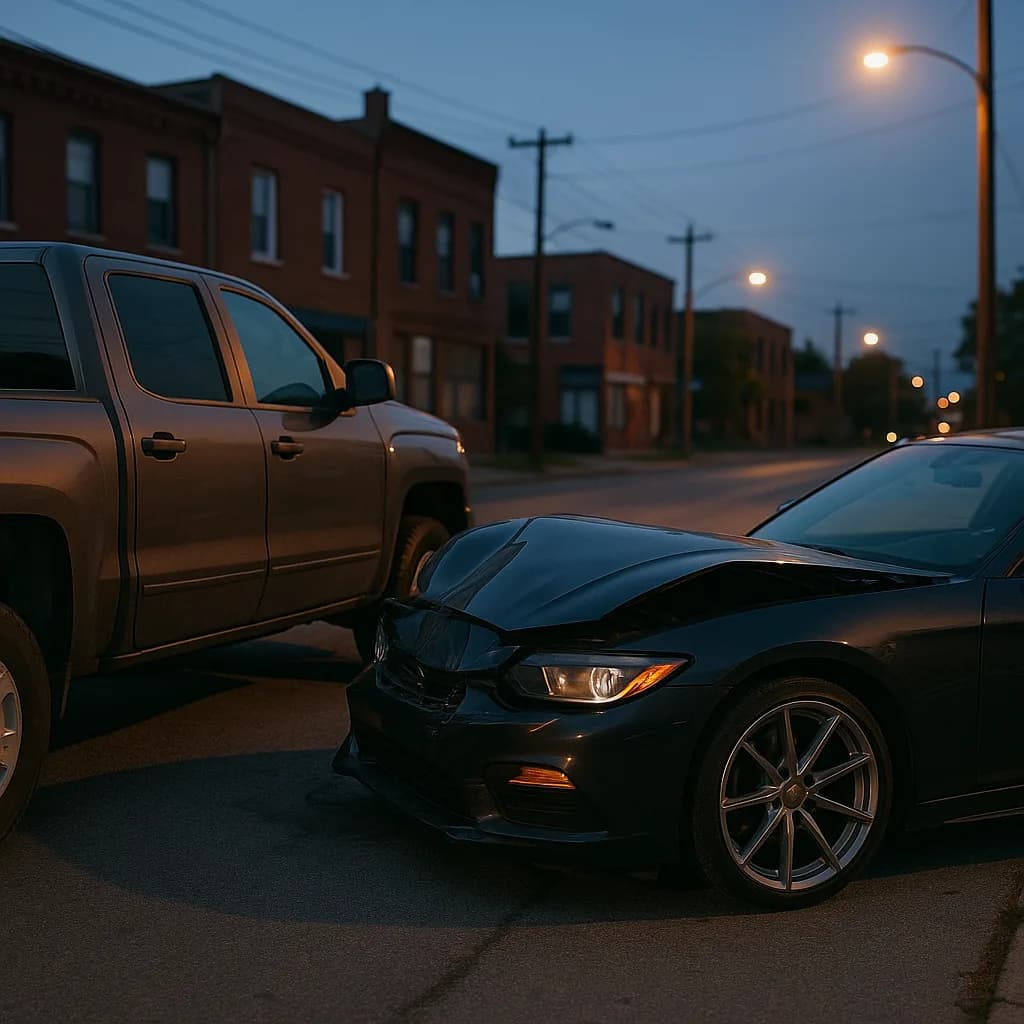
Start with your vehicle's actual cash value. Use NADA Guides, Kelley Blue Book, or recent comparable sales in your area. Insurers pay actual cash value, not replacement cost, so use the private-party sale value for your vehicle's year, mileage, and condition. Subtract your deductible from that figure. The result is the maximum you would recover from a total-loss claim.
Compare that recovery amount to what you pay annually for collision and comprehensive coverage combined. If your annual premium exceeds half the net recovery amount, you are paying more in coverage costs over two years than you would recover from a claim. That is the threshold where liability-only coverage becomes the rational choice for most drivers on fixed incomes.
Related Articles




When Medicare Changes the Medical Payments Decision
Medical payments coverage and personal injury protection pay your medical bills after an accident, regardless of fault. These coverages made sense before you enrolled in Medicare. Once Medicare becomes your primary health insurer, the value proposition changes. Medicare Part B covers accident-related injuries the same way it covers other medical care.
Some senior drivers keep medical payments coverage as a Medicare supplement to cover deductibles and copays. Others drop it entirely because Medicare already provides the primary layer of accident medical coverage. The decision depends on whether the annual premium justifies covering the gaps Medicare leaves. If you carry a Medicare supplement plan, medical payments coverage often duplicates benefits you already paid for.
Personal injury protection operates differently in no-fault states. PIP is legally required in some jurisdictions and pays before Medicare in the coordination-of-benefits sequence. Verify your state's PIP requirements before dropping it. Medical payments coverage, by contrast, is optional in most states and can be removed at renewal without affecting your liability protection.
No-Fault and Choice No-Fault Jurisdictions
12 states
These states require personal injury protection or offer it as a choice no-fault option. PIP pays your medical bills and lost wages regardless of who caused the accident, and it coordinates with Medicare under state-specific rules. Verify your state's PIP structure before making coverage changes.
NAIC no-fault insurance data
Liability Limits and Retirement Assets
Dropping collision and comprehensive makes sense when the vehicle value no longer justifies the premium. Reducing liability limits does not. Liability coverage protects your retirement savings, your home equity, and any other assets a plaintiff could reach in a lawsuit after an at-fault accident. State minimum liability limits were set decades ago and do not reflect the cost of a serious injury claim today.
Most states require $25,000 in bodily injury coverage per person. A single emergency room visit after a moderate-injury accident can exceed that limit. If you cause an accident and the damages exceed your liability limit, the injured party can sue you personally for the difference. Your retirement accounts, your home, and your other assets become exposed.
The Next Step
Request a liability-only quote from your current carrier and compare it against your existing full-coverage premium. The difference is what you are paying annually to insure a vehicle whose actual cash value may not justify the cost. If that annual cost exceeds half your vehicle's value after the deductible, you have reached the threshold where most senior drivers on fixed incomes make the switch. Contact your agent, request the coverage change effective at your next renewal, and confirm the new premium in writing before the change takes effect.