When the Other Driver Has No Insurance
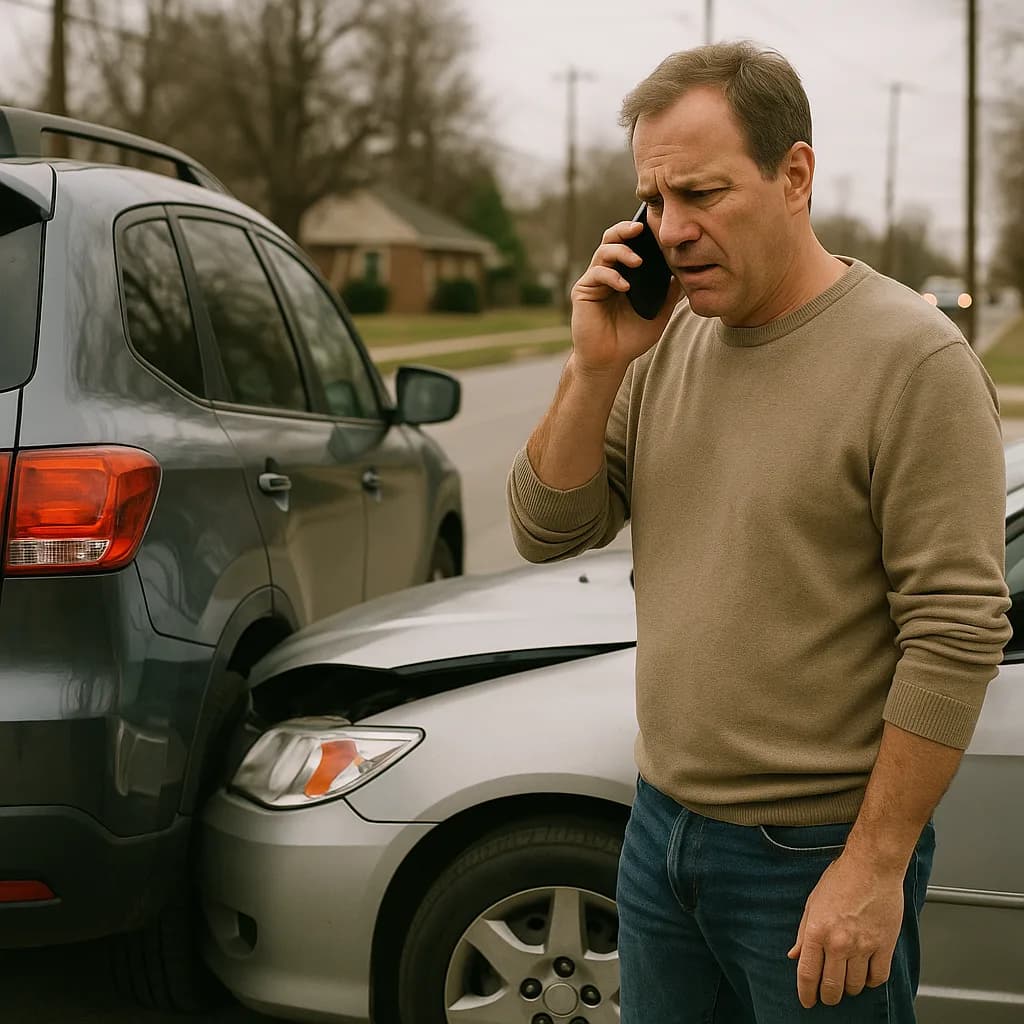
You're stopped at a red light when another driver rear-ends you. The impact sends you to the emergency room with neck injuries. When you exchange information, the other driver admits they have no insurance. Your liability policy covers damage you cause to others—it does nothing for your injuries or your vehicle when someone else is at fault and uninsured.
Uninsured motorist coverage exists to fill this gap. It pays your medical bills, lost income, and vehicle repair costs when an at-fault driver carries no insurance. The coverage sits on your own policy and activates when the other driver cannot pay. Without it, you file a lawsuit against someone who likely has no assets to collect, or you pay out of pocket.
Compare rates from carriers that specialize in senior drivers
Mature driver discounts, low-mileage rates, and coverage reviews — see what you're actually eligible for.
Get Your Free QuoteUninsured Drivers Nationwide
13.78%
Across all 51 jurisdictions, between 5.7% and 28.2% of motorists drive without insurance. The national average is 13.78%, meaning roughly one in seven drivers you encounter has no coverage to pay for damage they cause.
Insurance Research Council, 2023
What Uninsured Motorist Coverage Actually Pays
Uninsured motorist bodily injury (UMBI) covers medical expenses, rehabilitation costs, lost wages, and pain and suffering when an uninsured driver injures you. The coverage mirrors liability limits: if you carry $50,000 per person in UMBI, that is the maximum the policy pays for your injuries in a single accident caused by an uninsured driver.
Uninsured motorist property damage (UMPD) pays to repair or replace your vehicle when an uninsured driver damages it. Some states fold this coverage into collision; others offer it separately. Where UMPD is available as a standalone option, it typically carries a deductible and a per-accident limit. Collision coverage also repairs your car after an accident regardless of fault, but UMPD often costs less and applies specifically to uninsured-driver scenarios.
Underinsured motorist coverage (UIM) extends the same protection when the at-fault driver carries insurance but their liability limits are too low to cover your damages. Many states bundle UM and UIM together; a few offer them separately.
Your liability policy pays the other driver's bills when you are at fault. Uninsured motorist coverage pays your bills when they are at fault and uninsured.
How UM Coverage Interacts with Medicare
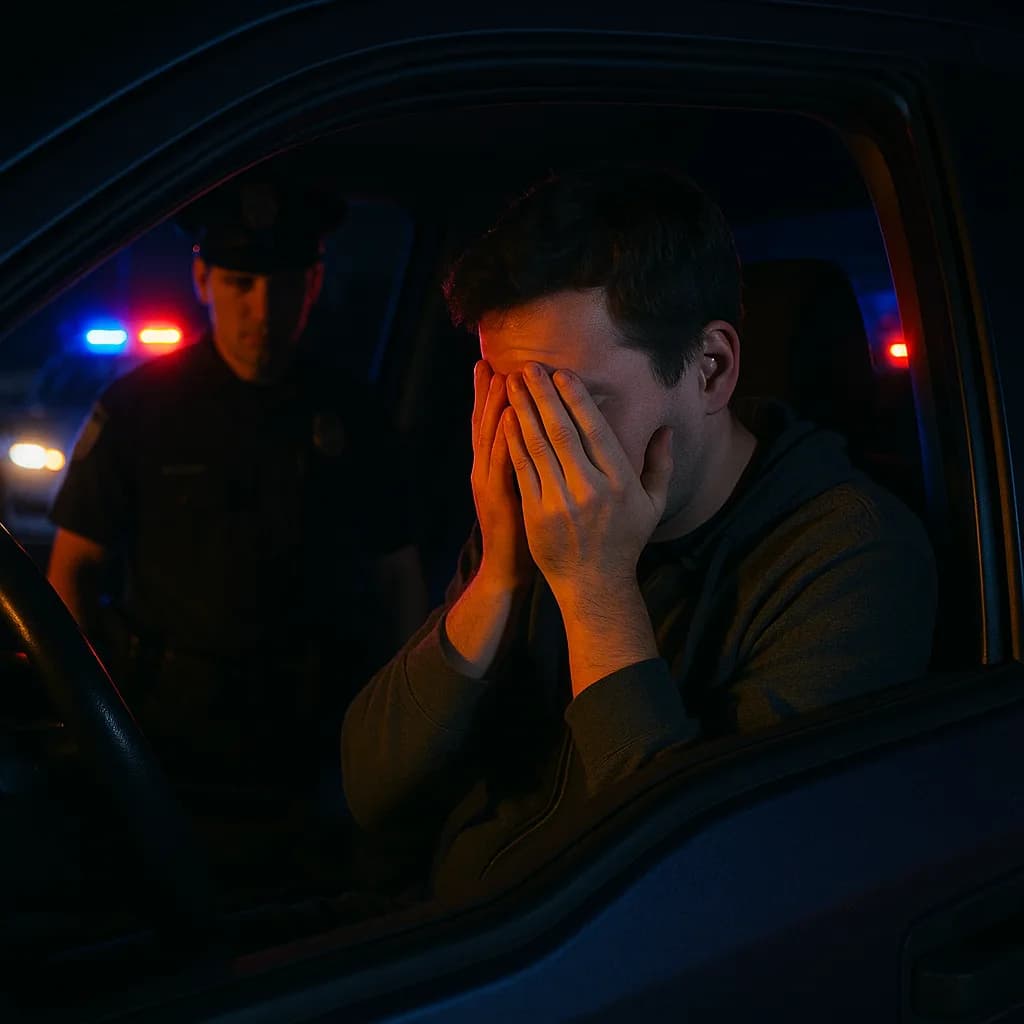
Medicare pays your hospital and doctor bills after an accident caused by an uninsured driver, but it becomes a secondary payer when you have uninsured motorist bodily injury coverage. Your UMBI pays first; Medicare covers what UMBI does not. This coordination matters because UMBI covers expenses Medicare excludes—lost income, pain and suffering, and out-of-pocket costs Medicare does not reimburse. Medicare also has the right to recover payments it made if you later receive a settlement or judgment, a process called subrogation. UMBI reduces the chance you will owe Medicare repayment because the coverage settles the claim directly.
Medicare does not pay for vehicle damage. Uninsured motorist property damage or collision coverage is the only way to repair your car after an uninsured-driver accident without paying out of pocket. Seniors who dropped collision on older paid-off vehicles sometimes assume Medicare or their health insurance will cover everything after an accident. It will not. UMPD or collision is required to fix the car; UMBI is required to cover income loss and non-medical damages Medicare will not pay.
Related Articles



State Requirements and How Limits Work
Twelve states require uninsured motorist coverage by law. In those states, the insurer must offer UM coverage at limits equal to your liability limits, and you must reject it in writing if you do not want it. The remaining states make UM coverage optional, though insurers are required to offer it in most jurisdictions. Where UM is optional, many drivers skip it to reduce premiums, unaware of how often they will need it.
UM limits are expressed the same way as liability limits: per person, per accident, and property damage. A policy with $50,000/$100,000 UMBI pays up to $50,000 for one person's injuries and up to $100,000 total when multiple people in your vehicle are injured. Stacking provisions in some states allow you to combine UM limits across multiple vehicles on the same policy, multiplying your coverage when a serious accident exceeds a single vehicle's limit.
Seniors with retirement assets face higher financial exposure than younger drivers. An at-fault uninsured driver who injures you will not have assets to pay a judgment. Your UM coverage is the only realistic source of compensation. Carrying UM limits equal to or higher than your liability limits protects savings, home equity, and retirement accounts from being spent on medical bills and vehicle replacement the other driver should have paid.
Uninsured Driver Rate by State
5.7%–28.2%
The percentage of uninsured motorists varies dramatically by state. The lowest rate is 5.7%; the highest is 28.2%. States with higher uninsured rates make UM coverage more valuable because the chance of being hit by an uninsured driver is materially higher.
Insurance Research Council, 2023
When to Carry UM and When to Skip It
Uninsured motorist coverage makes sense when you have assets to protect, when you live in a state with a high uninsured driver rate, or when you cannot afford to pay medical bills and vehicle repair costs out of pocket. UM coverage transfers that risk to the insurer for a monthly premium that is typically a fraction of collision or comprehensive costs.
Skipping UM coverage is a calculated risk. If you have minimal assets, comprehensive health insurance with low out-of-pocket maximums, and an older vehicle you can afford to replace, the financial exposure is lower. But even in that scenario, UM bodily injury covers lost income and pain and suffering that health insurance will not pay. Dropping UMPD while keeping UMBI is a middle path some drivers take when collision coverage already protects the vehicle and the state allows UMPD to be declined separately.
Compare UM Coverage Across Carriers
Uninsured motorist premiums vary by carrier, and the coverage is not identical across policies. Some insurers include hit-and-run accidents under UM coverage; others require a separate endorsement. Some states allow insurers to reduce your UM payout by the amount your health insurance paid; others prohibit that offset. Read the policy declarations page to confirm what your UM coverage includes and what it excludes, particularly around hit-and-run claims and coordination with health insurance. Request quotes from at least three carriers writing in your state, and compare UM premiums at the same limits to identify the lowest cost for equivalent protection.