
The Deductible Decision You Face Right Now
You just opened your renewal notice and saw the premium increase again. Your agent suggested raising your deductible to bring the cost down, but you're not sure whether the savings justify the higher out-of-pocket risk if you file a claim.
The deductible is the amount you pay before your insurer covers the rest of a collision or comprehensive claim. A higher deductible lowers your premium because you're taking on more of the initial cost yourself. The question is whether that trade makes sense for your financial position and how you use the vehicle.
Compare rates from carriers that specialize in senior drivers
Mature driver discounts, low-mileage rates, and coverage reviews — see what you're actually eligible for.
Get Your Free QuoteStandard Collision Deductible
What the Deductible Actually Controls
Your deductible applies only to collision and comprehensive coverage. It does not apply to liability claims you file against someone else's policy, and it does not apply to your own liability coverage when you are at fault.
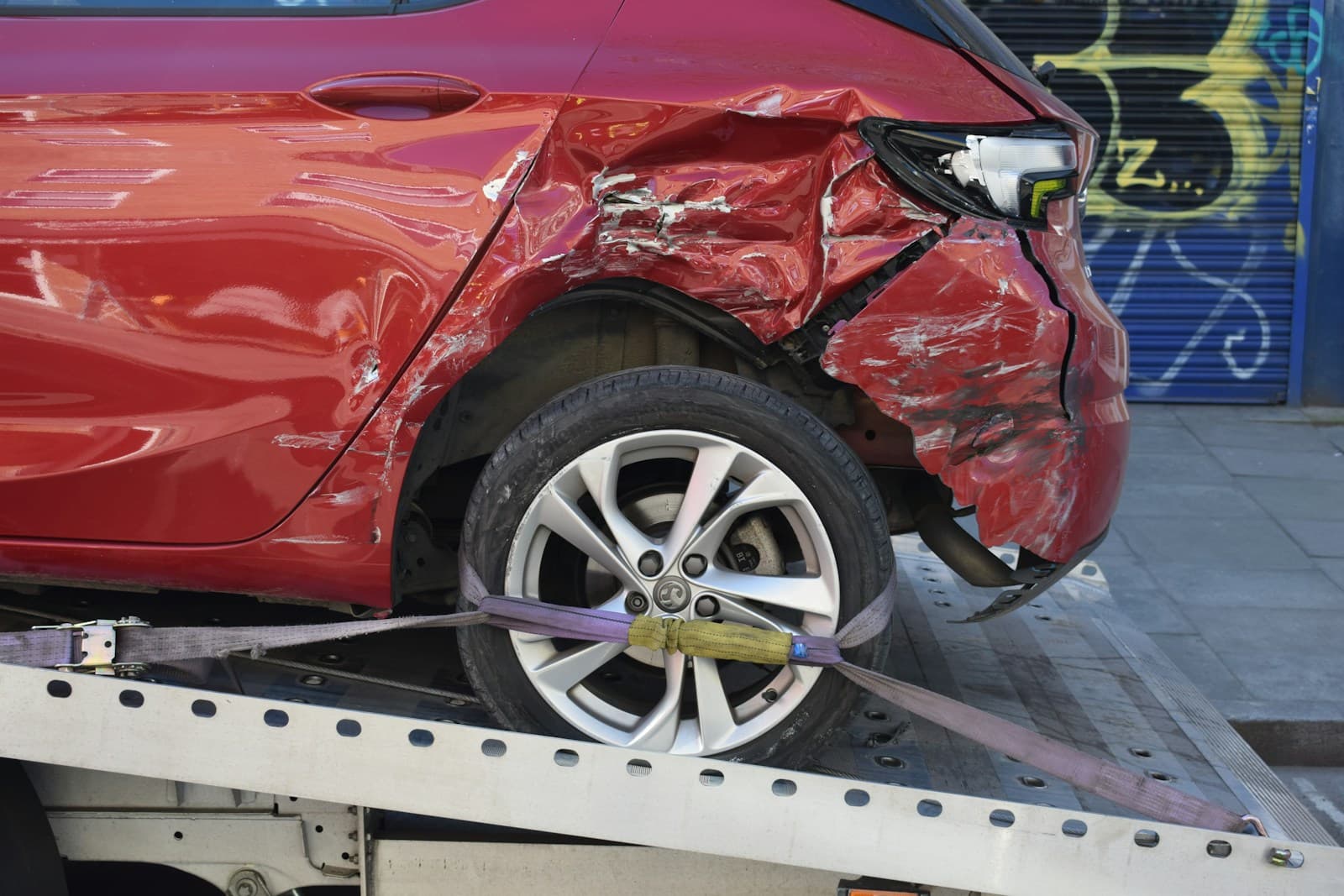
Collision coverage pays for damage to your vehicle after an accident you cause or a single-car incident. Comprehensive covers theft, vandalism, weather damage, and animal strikes. Both coverages carry separate deductibles, and you choose the amount when you buy the policy.
The deductible comes out of every claim, so a higher deductible means you absorb more of the cost each time.
The unresolved question: whether you have liquid savings to cover the higher deductible without financial strain if a claim happens next month.
Matching Deductible to Liquid Savings

Start with your emergency savings balance.
Consider how many vehicles you insure. Households with multiple vehicles sometimes stagger deductibles to reduce simultaneous exposure.
Related Articles





When Raising the Deductible Makes Sense
Raising your deductible makes the most sense when you drive a paid-off vehicle of moderate value and you have sufficient savings to cover the higher out-of-pocket cost. The premium savings accumulate every renewal, and if you avoid filing small claims, you keep that money.
Drivers who have not filed a claim in years often carry lower deductibles out of habit. If your driving record is clean and you park in a garage, the probability of filing a collision or comprehensive claim in any given year is low. A higher deductible in that scenario shifts premium dollars into your savings rather than the insurer's reserve.
The calculation reverses when the vehicle's actual cash value drops below a certain threshold. At that point, you're paying for coverage that delivers minimal net benefit, and dropping collision and comprehensive entirely may be the better choice.
Higher Deductible Threshold
The Full-Coverage Question on Older Vehicles
Full coverage means you carry both collision and comprehensive in addition to liability. Once your vehicle's value falls below a certain point relative to what you pay annually for those coverages, the math stops working in your favor.
A common rule of thumb: if your combined annual collision and comprehensive premium exceeds 10 percent of the vehicle's actual cash value, consider dropping both coverages and carrying liability only.
What to Do Next
Compare the annual savings against your liquid savings balance and your vehicle's current value. If the savings justify the higher deductible and you can cover the out-of-pocket cost, make the change at your next renewal. If your vehicle's value has dropped to the point where collision and comprehensive premiums no longer make sense, drop both coverages and redirect that money into savings or higher liability limits.