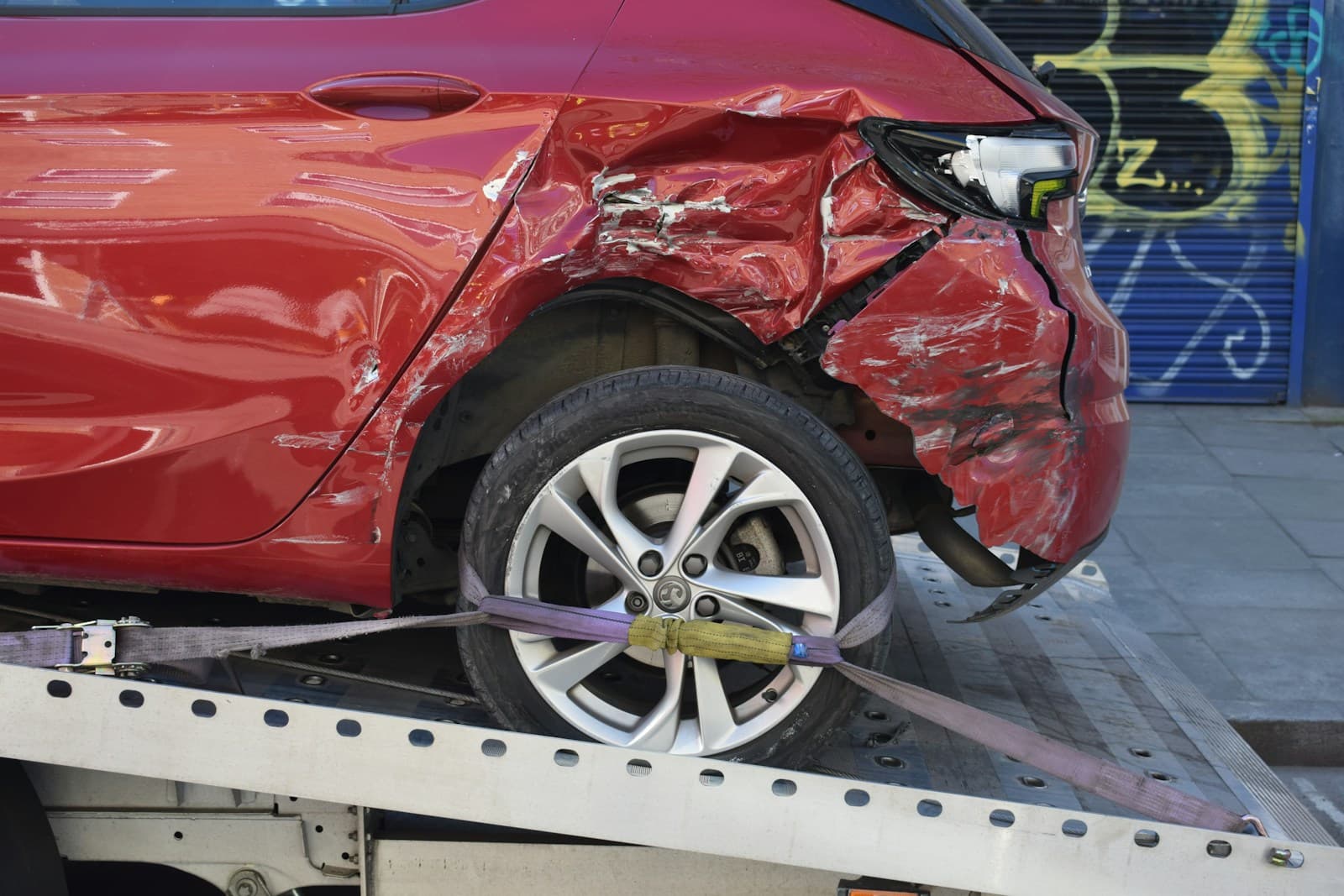
When the Premium Exceeds the Protection
You opened your renewal notice and saw the same collision and comprehensive premium you've been paying for years. Your car is now eight years old, paid off, and worth perhaps a third of what you paid for it. The coverage costs haven't tracked the vehicle's declining value, and you're wondering whether you're still getting value from full coverage or just subsidizing a claim you'd rather not file.
This is the coverage-fit question carriers won't surface at renewal: when does the annual cost of collision and comprehensive coverage exceed what you'd actually recover if the vehicle were totaled? The answer depends on your car's current value, your deductible, and how much financial cushion you have to replace the vehicle out of pocket if something happens.
Compare rates from carriers that specialize in senior drivers
Mature driver discounts, low-mileage rates, and coverage reviews — see what you're actually eligible for.
Get Your Free QuoteTypical Collision Deductible
$500
Most policies carry a $500 or $1,000 collision deductible. If your vehicle's actual cash value is $3,000 and your deductible is $1,000, a total-loss claim pays you $2,000 before you account for the annual premium you've been paying.
Industry standard deductible structures
What Full Coverage Actually Pays On an Older Vehicle
Full coverage means liability plus collision and comprehensive. Liability protects other people and their property when you're at fault. Collision covers damage to your vehicle in an accident regardless of fault. Comprehensive covers theft, vandalism, weather damage, and animal strikes.
The payout ceiling for collision and comprehensive is the vehicle's actual cash value at the time of the claim, minus your deductible. Actual cash value is not what you paid for the car or what you think it's worth. It's the depreciated market value a claims adjuster assigns based on age, mileage, condition, and local comparables. A 2015 sedan you bought for $18,000 might be valued at $4,500 today.
If your combined annual collision and comprehensive premium is $800 and your car is worth $4,500, you're paying 18 percent of the vehicle's value every year to insure against a total loss. After deductible, a total-loss claim would net you perhaps $3,500. That's the maximum financial benefit of the coverage, and it shrinks every year as the car depreciates further.
You cannot recover more than the vehicle's actual cash value minus your deductible, no matter how much you've paid in premiums or how much you originally spent on the car.
The Coverage-Fit Calculation
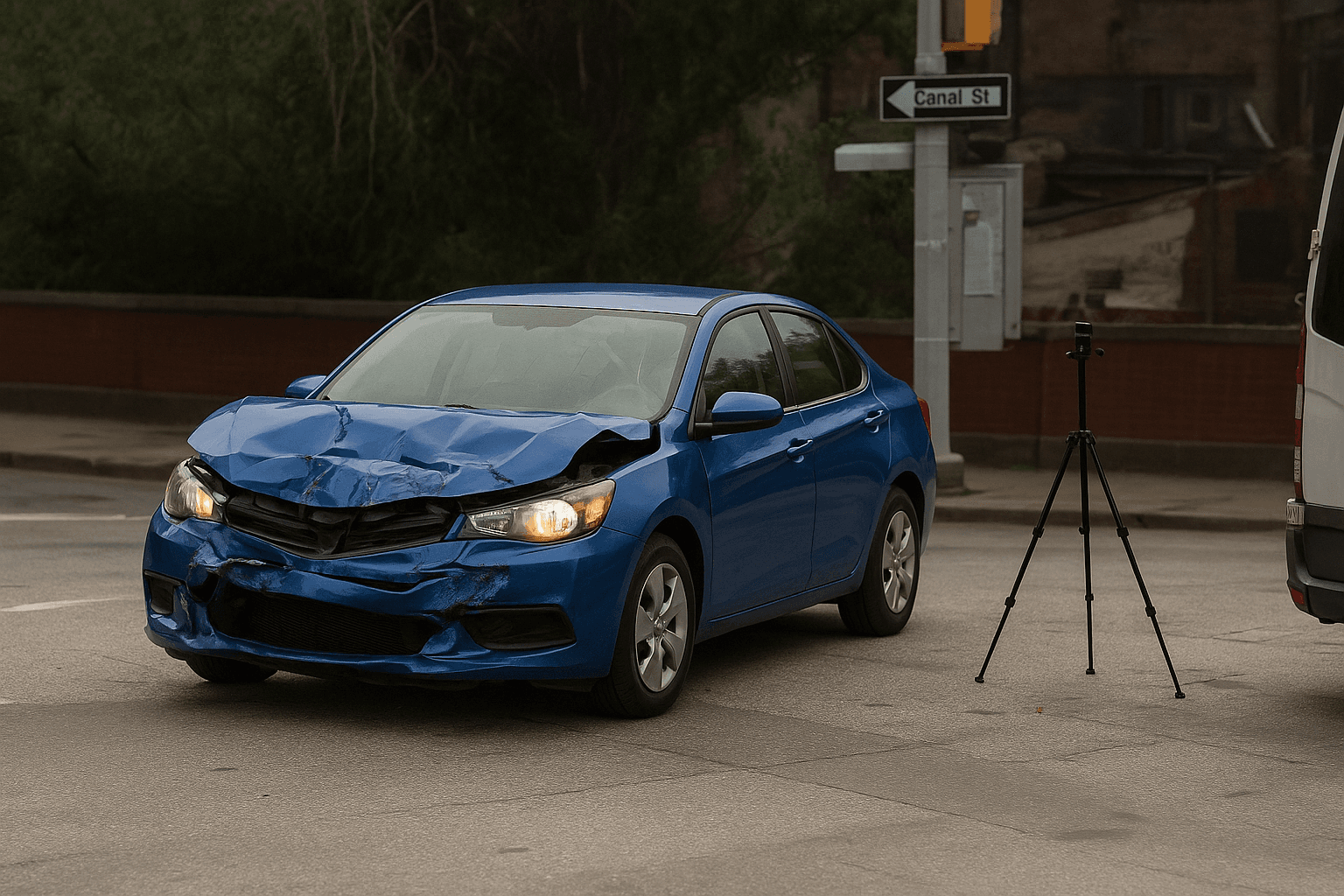
Start with your car's actual cash value. Check Kelley Blue Book or NADA Guides for your vehicle's year, make, model, mileage, and condition. Use the private-party value or trade-in value as a proxy for what an insurer would assign in a total-loss settlement. Subtract your deductible from that figure. The result is the maximum you'd receive from a collision or comprehensive claim.
Compare that net recovery to your annual collision and comprehensive premium. If the premium is more than 10 percent of the vehicle's value, the coverage is expensive relative to the protection. If it's more than 20 percent, you're paying a significant portion of the car's worth every year to insure it. The rule of thumb: when the annual premium exceeds 10 to 15 percent of the vehicle's value, dropping collision and comprehensive becomes a reasonable judgment call for someone with savings to self-insure the loss.
Related Articles





What Happens When You Drop Collision and Comprehensive
Dropping collision and comprehensive leaves you with liability-only coverage. You're still covered for damage you cause to other people and their property, which is the legally required component and the financially catastrophic risk. You're no longer covered for damage to your own vehicle from an accident, theft, or weather.
If you're in an at-fault accident, your liability coverage pays for the other driver's vehicle and injuries. Your vehicle damage is your responsibility. If another driver hits you and is at fault, their liability coverage pays for your vehicle. If they're uninsured or underinsured, your uninsured motorist coverage can cover your vehicle damage if you kept that optional coverage on the policy.
The financial exposure is the replacement cost of your vehicle. If your car is totaled and you don't have collision coverage, you pay to replace it. For a senior driver on a fixed income, that means having liquid savings equal to the vehicle's value or being prepared to finance a replacement. If you have $10,000 in accessible savings and your car is worth $4,000, self-insuring makes sense. If you don't have that cushion, keeping collision coverage may be worth the annual cost.
One procedural detail carriers won't remind you of: you can drop collision and keep comprehensive, or vice versa. Comprehensive is typically cheaper than collision and covers risks you can't control, like hail damage or a deer strike. If your car sits in a carport in a high-theft area, keeping comprehensive and dropping collision is a valid middle option.
Premium-to-Value Threshold
10%
When your annual collision and comprehensive premium exceeds 10 percent of your vehicle's actual cash value, the coverage cost is high relative to the maximum payout. Many financial advisors use this threshold as the point where self-insuring becomes cost-effective for drivers with emergency savings.
Consumer financial planning guidelines
Liability Limits Matter More on a Liability-Only Policy
When you drop collision and comprehensive, your liability limits become the only financial protection on the policy. If you're at fault in an accident that injures another driver or damages expensive property, your liability coverage pays up to your policy limits. Anything beyond that is your personal responsibility.
Seniors with retirement assets, home equity, or investment accounts face greater financial exposure in an at-fault accident than younger drivers with fewer assets. State minimum liability limits are designed to satisfy legal requirements, not to protect your assets. If your state requires $25,000 per person in bodily injury liability and you cause an accident that injures someone with $80,000 in medical bills, you're personally liable for the $55,000 gap.
Before dropping collision and comprehensive, confirm your liability limits are adequate. Many insurance professionals recommend at least $100,000 per person and $300,000 per accident in bodily injury liability, plus $100,000 in property damage liability. If you're dropping full coverage to save money, don't reduce liability limits at the same time. The savings from dropping collision and comprehensive are significant; the savings from cutting liability limits are small and expose you to catastrophic financial risk.
When Keeping Full Coverage Still Makes Sense
Full coverage remains cost-justified in specific situations even on an older vehicle. If you're still making payments on the car, your lender requires collision and comprehensive until the loan is paid off. If you don't have savings equal to the vehicle's replacement cost and losing the car would leave you without transportation, the premium is buying financial certainty you can't replicate out of pocket.
If your vehicle is older but unusually valuable due to low mileage, excellent condition, or a model that holds value well, the actual cash value may justify the premium. A 10-year-old truck in excellent condition with 60,000 miles may be worth $12,000, and a $600 annual collision premium is reasonable protection for that value. Check the current market value before assuming age alone makes the coverage uneconomical.
The Next Step
Look up your vehicle's current actual cash value using Kelley Blue Book or NADA Guides. Pull your most recent policy declaration page and find your annual collision and comprehensive premium. Divide the premium by the vehicle's value. If the result is above 10 percent and you have savings to cover a total loss, contact your agent or carrier and request a quote for liability-only coverage with the same liability limits you currently carry. Compare the annual savings to the financial risk you're assuming. If the math works and you're comfortable self-insuring the vehicle, make the change effective at your next renewal to avoid a mid-term policy adjustment.