
The Payoff Letter Does Not Answer the Coverage Question
You received the title in the mail, the lien is satisfied, and six months later your premium notice arrives with collision and comprehensive still attached. No lender requires it anymore, but your carrier renewed it automatically because you never called to remove it. That's the moment most senior drivers start asking whether they still need full coverage.
The question is not whether you are required to carry it. Once the loan is paid, no one requires collision or comprehensive except you. The question is whether the coverage still protects an asset worth protecting, and whether the annual cost justifies keeping it in place. The answer depends on what your vehicle is worth today and what losing it would cost you to replace.
Compare rates from carriers that specialize in senior drivers
Mature driver discounts, low-mileage rates, and coverage reviews — see what you're actually eligible for.
Get Your Free QuoteTypical State Liability Minimum
$25,000
State minimum liability requirements protect others when you cause an accident, but they pay nothing toward your own vehicle. Collision and comprehensive are the only coverages that repair or replace your car after a crash, theft, or weather event.
State insurance regulations
What Full Coverage Actually Pays For
Collision pays to repair your vehicle after an accident you cause or a single-car crash, minus your deductible. Comprehensive pays for theft, vandalism, hail, flood, fire, and animal strikes. Neither coverage is required by law. Both exist to protect your financial stake in the vehicle.
Liability coverage is mandatory and protects the other driver. It pays nothing toward your own car. If you drop collision and comprehensive and then total your paid-off sedan in an at-fault accident, liability pays the other driver's repairs and medical bills. You receive nothing for your vehicle. That loss is yours to absorb.
The decision turns on whether you can afford to replace the vehicle out of pocket if it is totaled or stolen. If the answer is yes without financial strain, dropping full coverage and banking the premium savings makes sense. If the answer is no, the coverage remains justified regardless of the loan status.
The coverage question is not about the loan. It is about whether you can afford to replace the vehicle yourself if it is destroyed tomorrow.
When the Math Supports Dropping Coverage
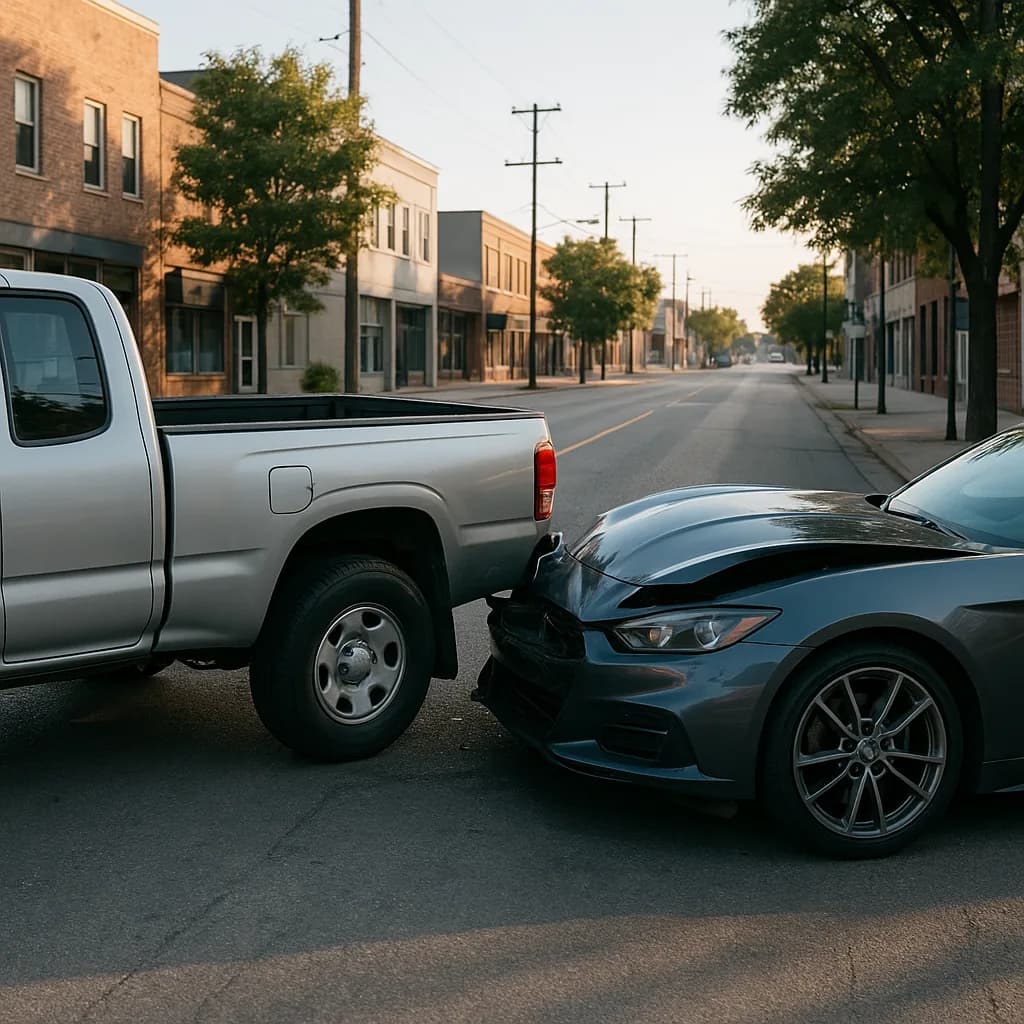
The first threshold is vehicle value. If your car is worth less than ten times your annual collision and comprehensive premium, the coverage costs more over time than the asset it protects. The math favors dropping coverage and setting aside the premium savings.
The second threshold is replacement cost relative to liquid savings. If replacing the vehicle would not require liquidating retirement accounts, taking on debt, or eliminating your emergency fund, you can self-insure. The premium you save each year adds to that reserve.
Related Articles



When Full Coverage Still Makes Sense
The premium protects an asset you cannot easily replace.
Comprehensive coverage alone is often worth keeping even after collision is dropped. Theft, hail, and fire claims happen without an at-fault accident. Comprehensive premiums are lower than collision premiums, and the coverage protects against total-loss events you cannot predict or avoid.
Your deductible also shapes the decision. Raising the deductible to reduce the premium, or dropping coverage entirely, becomes the better financial position.
Premium-to-Value Threshold
10x
When your vehicle's current value falls below ten times your annual collision and comprehensive premium, the cost of coverage over time exceeds the asset it protects. This threshold signals when dropping full coverage and self-insuring makes financial sense.
Industry rule of thumb
How to Confirm Your Vehicle's Current Value
Your carrier values your vehicle using actual cash value: the replacement cost minus depreciation. That figure appears on your declarations page, but it is often higher than what you would receive after a total loss. Check your vehicle's value using Kelley Blue Book or NADA Guides, selecting the private-party sale value in good condition. That figure reflects what you would pay to replace the vehicle, not what the carrier estimates it is worth before depreciation adjustments.
Compare that value against your annual collision and comprehensive premium. If the premium is more than one-tenth the vehicle's value, the coverage is costing you more than it protects over a ten-year horizon. The math supports dropping coverage.
What Happens When You Drop Coverage
Call your carrier or agent and request removal of collision and comprehensive. Your premium drops immediately at the next billing cycle. Liability, uninsured motorist, and medical payments coverage remain in place. You are still legal to drive; you are simply no longer insuring your own vehicle against physical damage.
If you finance or lease a vehicle in the future, the lender will require you to add collision and comprehensive back. Until then, you carry only the liability coverage your state mandates. Any damage to your vehicle from an at-fault accident, theft, or weather event is your financial responsibility. Set aside the premium savings each month to build a vehicle replacement fund if you have not already done so.