
Why Your Premium Rose Despite a Clean Record
You opened your renewal notice and saw another increase. No accidents, no tickets, the same vehicle, the same address—nothing changed except the number at the bottom. Your carrier didn't send a letter explaining why. They just billed you more.
Florida law requires insurers to offer mature-driver discounts to qualifying seniors, but the statute sets no percentage. Each carrier files its own amount with the state, and most never tell you what yours is unless you ask. Veterans who assume their military-affiliated carrier applies it automatically keep paying full rates while neighbors who submitted a course certificate save every renewal.
Compare rates from carriers that specialize in senior drivers
Mature driver discounts, low-mileage rates, and coverage reviews — see what you're actually eligible for.
Get Your Free QuoteFlorida Discount Eligibility Age
55+
Fla. Stat. §627.0652 requires insurers to offer mature-driver discounts to operators aged 55 and older, but the statute does not fix the percentage—each carrier sets its own amount and you must request it.
Fla. Stat. §627.0652
The Mandate Does Not Mean Automatic Application
Florida's discount mandate means every carrier writing auto policies in the state must offer a mature-driver discount. It does not mean they apply it at renewal without documentation. The statute requires the discount exist; it does not require carriers to enroll you automatically when you turn 55.
Most carriers treat the mature-driver discount as opt-in. You request it, you submit proof of course completion from a state-approved provider, and the carrier applies it at the next renewal. If you never ask, the discount never appears. Veterans who assume USAA, Navy Federal, or Geico applies it because they know your birthdate from your policy file are paying the higher rate indefinitely.
The confusion comes from conflating two different discount types. Some carriers offer an age-based discount that applies automatically when you reach a certain age threshold—no course required, no documentation, just a rate adjustment tied to your birthdate. Florida's statutory mature-driver discount under §627.0652 is course-based: you complete an approved defensive driving program, submit the certificate, and the carrier applies the discount. If your carrier offers both, you might get the age-based adjustment automatically but still miss the larger course-based discount because you never enrolled.
Most veterans assume their carrier knows their age and applies the discount automatically. The discount exists, but you must request it and submit course proof—carriers do not enroll you.
How to Confirm What Your Carrier Actually Applies

Call your carrier or agent and ask three specific questions: Does my current policy include a mature-driver discount? Is it age-based or course-based? If course-based, when does the certificate expire? Write down the answers. If the agent says you have a mature-driver discount but cannot tell you which kind or when it expires, ask them to check the policy detail screen—most systems show the discount code and expiration date.
If your carrier applied an age-based discount automatically, that discount is typically smaller than the course-based statutory discount. Ask what the course-based discount percentage is and whether you can stack both. Some carriers allow stacking; others apply only the larger of the two. If your carrier does not allow stacking, compare the percentage difference. A 5% age-based discount you already have versus a 10% course-based discount you could earn by completing a four-hour online course is a straightforward cost-benefit calculation.
Related Articles

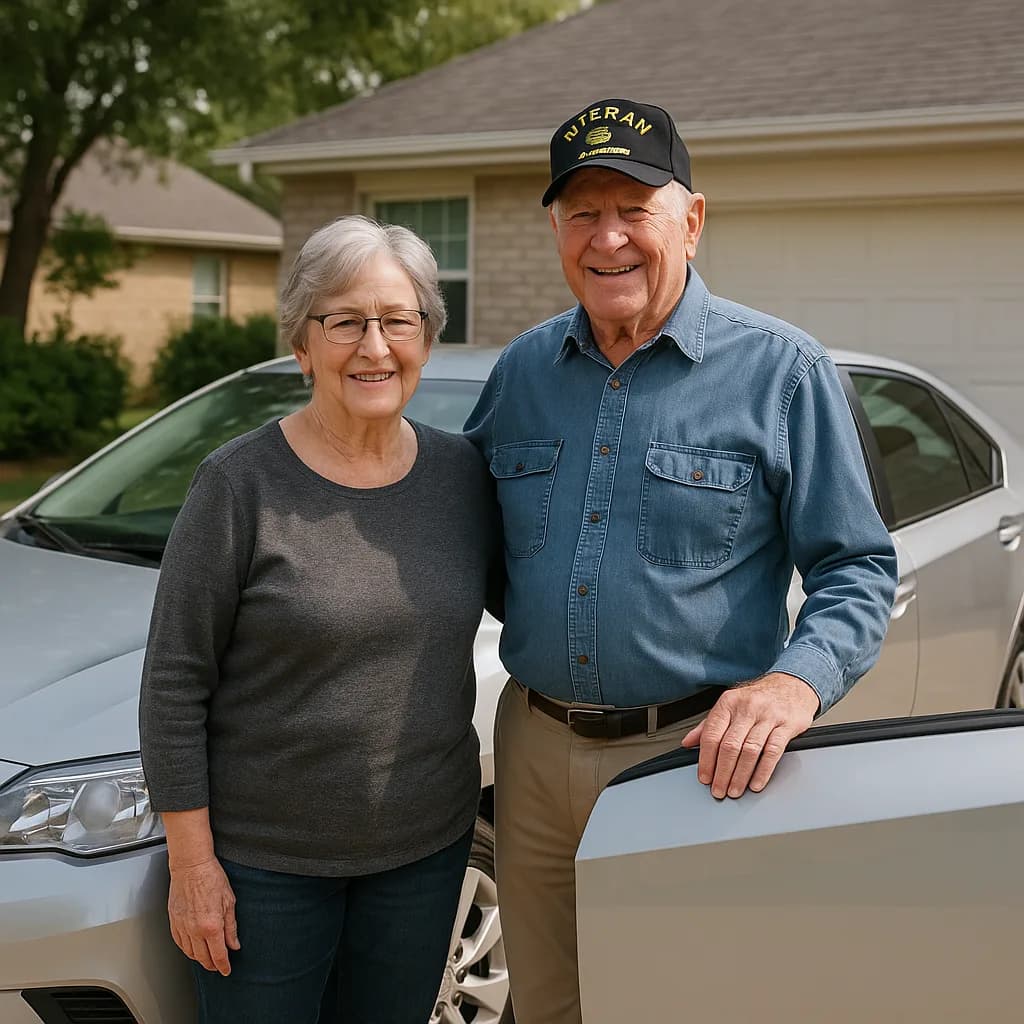
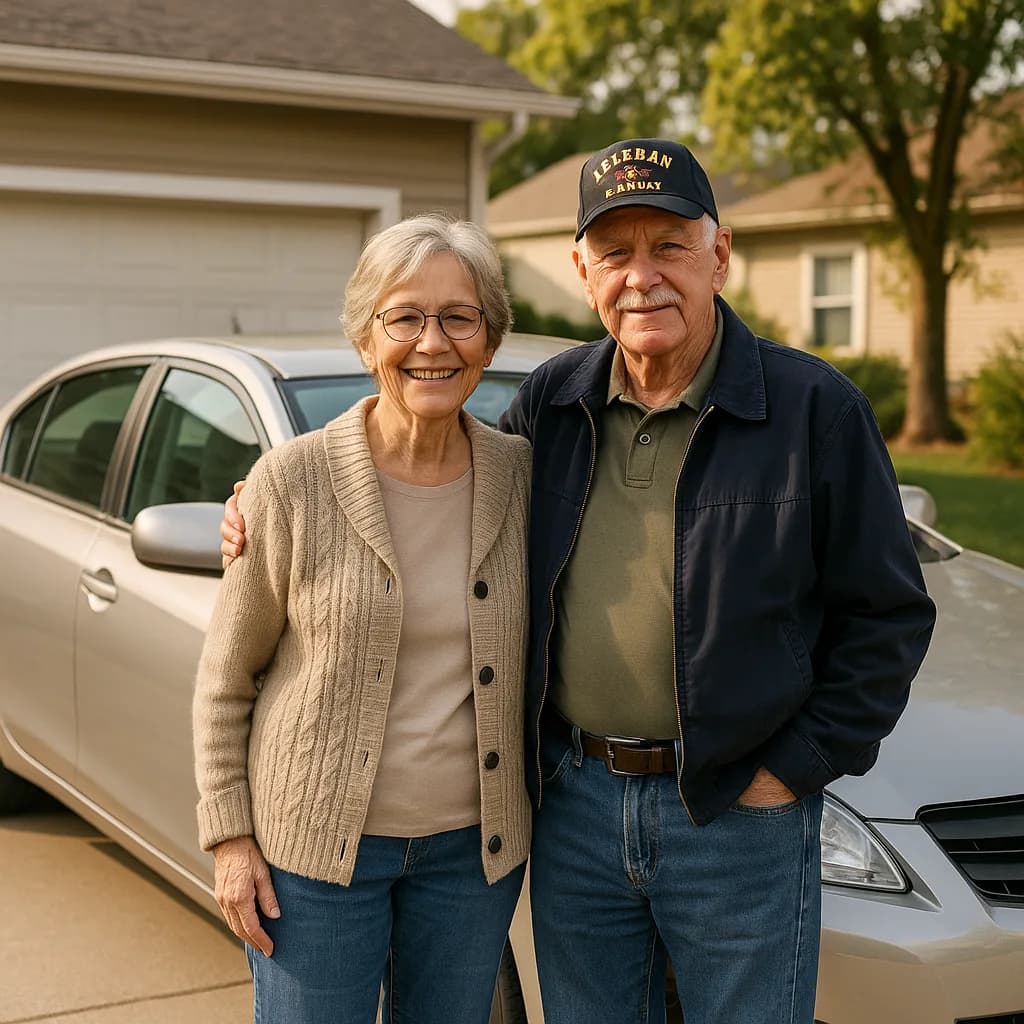


State-Approved Course Providers and Certificate Submission
Florida maintains a list of approved mature-driver course providers. The course must be state-approved for the certificate to qualify under §627.0652. Completing a course from a provider not on the approved list means your carrier will reject the certificate at renewal and you will not receive the discount.
Most approved providers offer the course online. The course is typically four to six hours, self-paced, and can be completed in one session or across multiple days. Upon completion, the provider issues a certificate with your name, the completion date, and the provider's approval number. Some providers submit the certificate directly to your carrier electronically; others mail or email it to you and you forward it to your agent.
Submit the certificate to your carrier at least 30 days before your renewal date. Carriers process discount applications during the renewal cycle, not retroactively. If you submit the certificate after your renewal processes, the discount will not appear until the following year. Veterans who complete the course in the week before renewal and assume the carrier will apply it immediately often see no change at renewal and call confused—the timing window closed.
Certificates expire. Florida does not mandate a specific expiration period, so each carrier sets its own policy. Most carriers require recertification every three years. If your certificate expires before your renewal and you do not complete a new course, the discount disappears. Your renewal notice will not tell you the certificate expired; the discount will simply vanish and your premium will increase. Veterans who earned the discount five years ago and never re-enrolled are paying full rates now.
Carriers Writing Florida Auto Policies
25
At least 25 carriers write auto insurance in Florida and file mature-driver discount programs with the state. Each sets its own percentage, eligibility rules, and certificate expiration policy—ask each carrier what theirs is.
Florida auto insurance carriers by state data
Comparing Carriers That Handle Senior Profiles Well
USAA writes Florida auto policies and offers mature-driver discounts to qualifying members, but USAA eligibility is limited to active-duty military, veterans, and their families. If you qualify for USAA membership, request the mature-driver discount directly and ask what documentation they require. USAA's discount percentage is not published publicly; you receive it at quote time after submitting proof of course completion.
Geico, Progressive, State Farm, Nationwide, and Allstate all write Florida auto policies and file mature-driver discount programs with the state. Each sets its own percentage. Geico and Progressive offer online quoting; State Farm, Nationwide, and Allstate require agent contact for senior-specific discount verification. When comparing carriers, ask each one three questions: What is your mature-driver discount percentage? Do you require course completion or is it age-based? How often must I recertify?
Non-standard carriers writing Florida policies—Dairyland, Acceptance, Bristol West, The General—also file mature-driver discount programs. These carriers typically serve drivers with recent violations or lapses, but they also write policies for clean-record seniors and their discount percentages are sometimes higher than standard-market carriers because their base rates start higher. If you have a clean record and your current carrier quoted you a high premium, compare against both standard and non-standard carriers before assuming the standard market is cheaper.
Coverage Fit for Veterans on Fixed Income
Florida requires $10,000 property damage liability and $10,000 personal injury protection. These are the legal minimums, not recommendations. Veterans with retirement assets—a paid-off home, savings, a pension—face exposure in an at-fault accident that exceeds the minimum limits. A serious accident where you are at fault can result in a judgment against your assets if your liability coverage does not cover the full claim.
Liability limits of $100,000 per person and $300,000 per accident are common recommendations for drivers with moderate assets. The incremental cost between minimum limits and $100,000/$300,000 is typically smaller than most seniors expect, and the asset protection is substantial. If your current policy carries only the state minimums, request a quote for higher limits from your carrier and compare the premium difference. Many veterans discover the increase is $15 to $25 per month—a manageable cost for meaningful protection.
Full coverage on a paid-off vehicle is a judgment call. Collision and comprehensive coverage pay to repair or replace your vehicle after an accident or theft, minus your deductible. If your vehicle is worth $8,000 and your annual collision and comprehensive premium is $600, you are paying 7.5% of the vehicle's value each year for coverage. After three or four years, you will have paid in premiums what the vehicle is worth. Many veterans in this position drop collision and comprehensive, keep liability and PIP, and self-insure the vehicle. If you cannot afford to replace the vehicle out of pocket, keep full coverage. If you can, dropping it and banking the premium savings is often the better financial decision.
What to Do Right Now
Call your current carrier and ask whether your policy includes a mature-driver discount, which kind it is, and when the certificate expires if it is course-based. If you do not have the discount, ask what percentage your carrier offers and what documentation they require. If your carrier cannot tell you the percentage or says it varies, that is a signal to compare other carriers—transparent carriers publish their discount structures and you deserve to know what you are paying for.
Enroll in a Florida-approved mature-driver course if you do not have a current certificate. Complete the course at least 45 days before your renewal date to give your carrier time to process the certificate. Submit the certificate to your agent or carrier immediately upon completion and confirm receipt. If your carrier does not confirm receipt within one week, follow up—certificates submitted but never processed are a common failure mode.
Request quotes from at least three carriers that write Florida policies and ask each one what their mature-driver discount percentage is, whether they require course completion, and how often recertification is required. Compare the post-discount premium, not the base rate. A carrier with a lower base rate but no mature-driver discount may cost more annually than a carrier with a higher base rate and a 10% discount. Veterans who compare only base rates miss the total cost.