
Car Insurance for Senior Veterans — Virginia
Free to compare
Why Your Premium Increased Despite a Clean Record
You opened your renewal notice and the premium jumped. No accidents. No tickets. Decades of safe driving. Your agent mentioned age-related adjustments but offered no path to offset them. You served your country, you've earned every discount available, and you want to know what Virginia law actually guarantees and how to claim it.
Virginia Code §38.2-2217(A) requires insurers to offer mature-driver discounts to operators aged 55 and older. The statute mandates the discount but sets no percentage: each insurer determines the amount in their filed rates. Most qualifying veterans pay full rates because they never requested the discount or submitted the required documentation. The discount exists. You must activate it.
“Virginia mandates the discount but sets no percentage—each insurer determines the amount, and none apply it unless you ask.”

Find Coverage Made for Drivers Over 65
Get My Senior Auto Insurance Quote55+
Virginia Discount Eligibility Age
Va. Code §38.2-2217(A) requires insurers to offer mature-driver discounts to operators aged 55 and older. The statute mandates an appropriate reduction but does not fix the percentage—each carrier sets the amount in their filed rates.
Va. Code §38.2-2217(A)
What the Statute Guarantees and What It Leaves Open
Virginia's mature-driver discount statute is a mandate without a floor. Insurers must offer the discount. They are not required to tell you it exists, apply it automatically, or disclose the percentage until you ask. The reduction amount is buried in each carrier's rate filing with the Virginia Bureau of Insurance.
The discount applies in one of two ways depending on the carrier: age-based (automatic at 55 if you request it) or course-based (requires completion of a state-approved defensive driving course and certificate submission). Some carriers offer both. Most require you to ask which pathway applies and submit documentation annually.
USAA, State Farm, Geico, Progressive, Nationwide, and Allstate all write in Virginia and offer mature-driver programs. None apply the discount automatically at renewal unless you enrolled when you turned 55 or completed the course. If you never asked, you've been paying the higher rate while qualifying neighbors save.
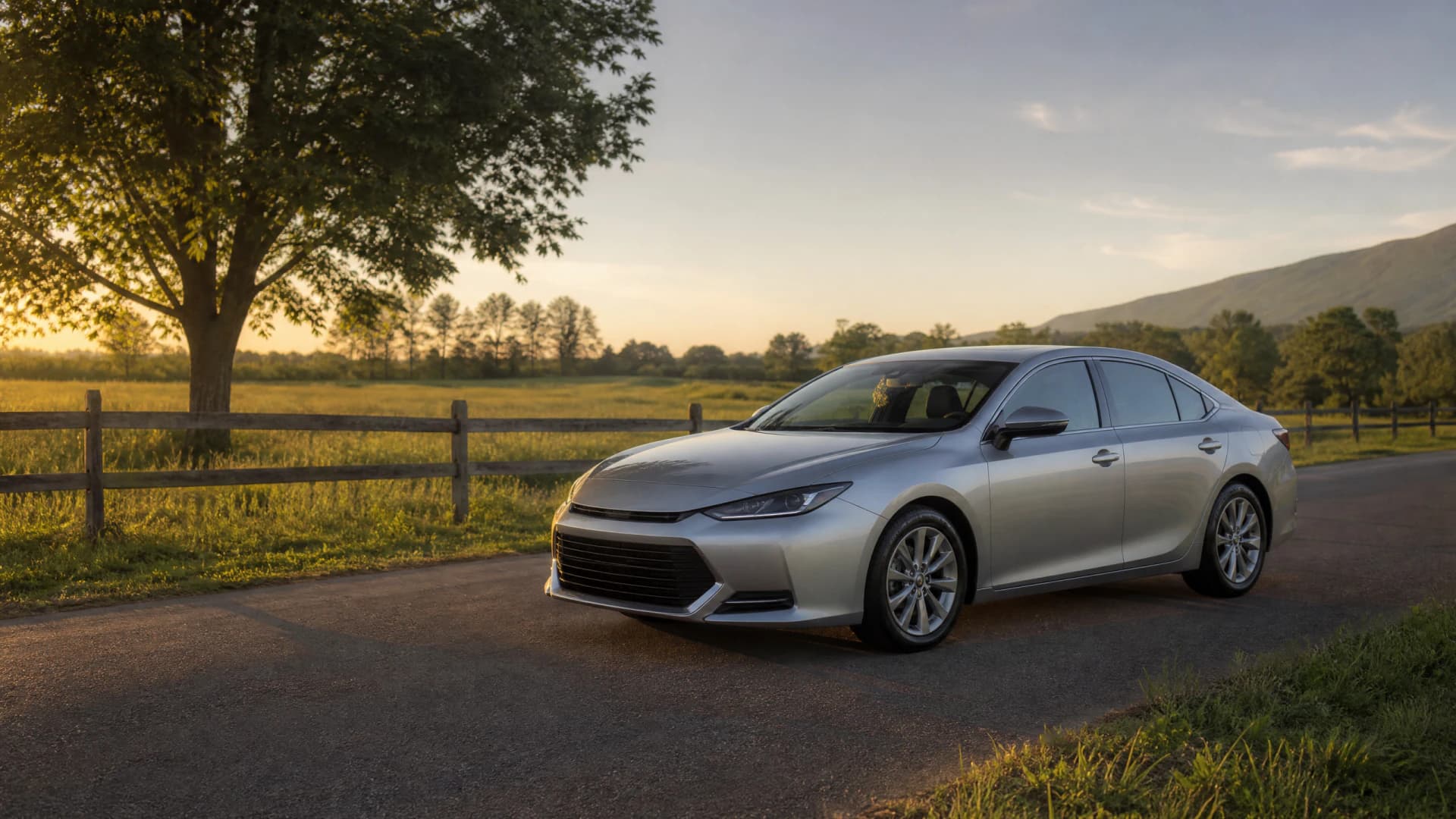
The blocker: you qualify under the statute, but your carrier won't apply the discount until you request it, verify your course provider is state-approved, and submit the certificate.







State-Specific Quirks That Derail the Process
Virginia's lack of a statutory percentage creates carrier-by-carrier variation. One insurer files a 5% reduction. Another files 10%. A third files 8% but only for course completion, not age alone. You cannot know which offers the best mature-driver rate until you request quotes with the discount applied.
The approved-provider problem is worse for veterans who move between states. If you completed a defensive driving course in another state and relocated to Virginia, your certificate may not transfer. Virginia insurers accept only courses they have approved in their own filings. You may need to retake the course through a Virginia-approved provider.
Some carriers bundle the mature-driver discount with other reductions: low mileage, paid-in-full, paperless billing. Others apply it as a standalone line item. If your agent quotes a bundled rate without breaking out the mature-driver component, you cannot verify they applied it. Ask for the discount amount as a separate line on your declaration page.
$50,000
Virginia Bodily Injury Minimum Per Person
Virginia requires 50/100/40 liability minimums. Seniors with retirement assets often carry higher limits because the minimum exposes home equity and savings in an at-fault accident. Uninsured motorist coverage is also required and protects you when the other driver has no insurance.
Virginia DMV

Coverage Decisions That Change After You Stop Commuting
You no longer drive to work. Your annual mileage dropped from 15,000 to 6,000. Most carriers offer low-mileage discounts for drivers under 7,500 miles per year, but they do not apply it unless you report the mileage change. Call your agent and request a mileage-class adjustment. Some carriers require odometer verification; others accept your self-reported estimate.
Full coverage on a paid-off vehicle is a judgment call. If your car is worth less than ten times your annual collision and comprehensive premium, dropping those coverages and keeping liability, uninsured motorist, and medical payments often makes more financial sense. Medicare covers most accident-related medical bills, but it does not cover the other driver's injuries if you are at fault. Liability limits matter more now than they did when you were 35.
What to Do Right Now
Call your current carrier today. Ask whether they applied the mature-driver discount to your policy, what percentage it is, and what documentation they have on file. If they did not apply it, ask what you need to submit to activate it. If your certificate expired, ask for the approved-provider list and re-enroll.
Request quotes from at least three carriers that write in Virginia and serve senior drivers well: USAA if you are eligible, State Farm, Geico, Progressive. Give each carrier your current coverage limits, your mileage, and your mature-driver course completion status. Compare the quoted premium with the discount applied, not the base rate. The carrier with the lowest base rate may not offer the best mature-driver rate.
Set a renewal reminder 60 days before your policy expires. Verify your mature-driver certificate is still valid and your mileage class is correct. Carriers do not notify you when the discount is about to lapse. You must track it yourself.
How to Activate the Discount You Already Qualify For
Call your current carrier and ask two questions: do you offer an age-based mature-driver discount for operators 55 and older, and if so, what percentage and what documentation do you require? If they offer a course-based discount instead, ask for the list of state-approved providers. Virginia does not publish a single statewide approved-course list; each insurer maintains its own. The course you took through your local senior center may not qualify with your carrier. Verify before you enroll.
Complete the approved course and submit the certificate to your agent before your renewal date. Most certificates are valid for three years, but some carriers require annual re-submission. If the certificate expires before renewal, the discount lapses and you must complete a new course to reactivate it. Set a calendar reminder 60 days before expiration. Your renewal notice will not tell you the discount lapsed.
Get Your Free Quote
Get My Senior Auto Insurance QuoteFrequently Asked Questions
Does Virginia require insurers to offer senior driver discounts?
Yes. Va. Code §38.2-2217(A) requires insurers to offer mature-driver discounts to operators aged 55 and older. The statute mandates an appropriate reduction but does not fix the percentage—each carrier sets the amount in their filed rates. You must request the discount and submit required documentation; carriers do not apply it automatically.
What documentation do I need to get the mature-driver discount in Virginia?
It depends on the carrier. Some offer an age-based discount requiring only proof of age. Others require completion of a state-approved defensive driving course and certificate submission. Call your carrier and ask which pathway applies, what their approved-provider list includes, and whether they require annual certificate re-submission.
Can I use a defensive driving course I completed in another state?
Typically no. Virginia insurers accept only courses they have approved in their own rate filings. If you completed a course in another state and relocated to Virginia, ask your new carrier whether your certificate transfers. Most require you to retake the course through a Virginia-approved provider.
Do I need to resubmit my mature-driver course certificate every year?
It depends on the carrier. Most certificates are valid for three years, but some insurers require annual re-submission at renewal. If your certificate expires before renewal, the discount lapses and you must complete a new course to reactivate it. Ask your carrier how long your certificate remains valid and set a reminder 60 days before expiration.
Does USAA offer better rates for senior veterans in Virginia?
USAA writes in Virginia and offers mature-driver discounts, but whether their rate is better depends on your profile and how their discount compares to other carriers. Request quotes from USAA, State Farm, Geico, and Progressive with the mature-driver discount applied. The carrier with the lowest base rate may not offer the best mature-driver rate.
Should I drop full coverage on my paid-off car now that I'm retired?
If your vehicle is worth less than ten times your annual collision and comprehensive premium, dropping those coverages and keeping liability, uninsured motorist, and medical payments often makes financial sense. Virginia requires 50/100/40 liability minimums, and seniors with retirement assets often carry higher limits because the minimum exposes home equity in an at-fault accident.
Will my premium go down if I report lower mileage after retirement?
Most carriers offer low-mileage discounts for drivers under 7,500 miles per year, but they do not apply it unless you report the mileage change. Call your agent and request a mileage-class adjustment. Some carriers require odometer verification; others accept your self-reported estimate. The discount can offset age-related rate increases.