
When Full Coverage Stops Making Financial Sense
You own your 2012 sedan outright. You drive 6,000 miles a year, mostly errands and appointments. Your renewal notice arrived showing $840 every six months for full coverage, and you cannot remember the last time you compared what you are paying against what the car is actually worth. The lender no longer requires collision and comprehensive because the loan is paid off, but your agent never mentioned dropping them.
The cost-versus-protection decision on an older paid-off vehicle is a judgment call most senior drivers never revisit after the loan ends. Carriers do not volunteer to reduce your coverage, and the premium you are paying may now exceed the maximum claim payout you would receive if the car were totaled. This article walks the actual math, the coverage alternatives, and the specific next step for drivers whose vehicles have depreciated past the point where full coverage premiums make sense.
Compare rates from carriers that specialize in senior drivers
Mature driver discounts, low-mileage rates, and coverage reviews — see what you're actually eligible for.
Get Your Free QuoteTypical State Liability Minimum
$25,000
Most states require liability coverage with bodily injury minimums starting at $25,000 per person. This is the floor you must carry regardless of whether you drop collision and comprehensive on your own vehicle.
State insurance regulations
What Full Coverage Actually Protects
Full coverage is not a single product. It is liability coverage plus collision plus comprehensive. Liability pays for damage you cause to others and is legally required in every state. Collision pays to repair or replace your car after an accident you cause or a single-vehicle crash. Comprehensive pays for theft, vandalism, weather damage, and animal strikes.
When you drop full coverage, you are dropping collision and comprehensive only. Liability stays in place because the law requires it. The question is whether the collision and comprehensive premiums you are paying each year exceed the depreciated value of your vehicle minus your deductible. If your car is worth $4,000 and your deductible is $1,000, the maximum claim payout is $3,000. If you are paying $600 a year for collision and comprehensive combined, you break even in five years assuming no claims. After that, the premiums exceed the maximum benefit.
Most senior drivers with paid-off vehicles over ten years old are paying collision and comprehensive premiums that will exceed the car's actual cash value within three to five years. The coverage becomes a net cost rather than a net protection.
The maximum claim payout is the car's actual cash value minus your deductible. If that figure is lower than three years of collision and comprehensive premiums, you are paying more than you can recover.
How to Calculate Your Break-Even Point
Start with your car's actual cash value. Use Kelley Blue Book or NADA Guides to get the private-party value for your vehicle's year, make, model, and mileage. Subtract your collision deductible. That figure is the maximum amount your insurer would pay if the car were totaled tomorrow. Most senior drivers are surprised to find their 2010-2014 vehicles are worth $3,000 to $6,000 in actual cash value, and the deductible takes another $500 to $1,000 off that.
Next, pull your current policy declarations page and find the six-month premium for collision and comprehensive combined. Multiply by two to get the annual cost. Divide the maximum claim payout by the annual premium cost. The result is the number of years you would need to go without a total-loss claim to break even. If that number is under three years and your car is already over ten years old, the math favors dropping collision and comprehensive and banking the premium savings.
Related Articles




What You Keep When You Drop Full Coverage
Liability coverage remains in place and continues to protect your retirement assets if you cause an accident. Uninsured motorist coverage, if you carry it, also stays. Medical payments coverage or personal injury protection, depending on your state, continues to cover your medical bills after an accident regardless of fault. Roadside assistance and rental reimbursement, if you added them, stay on the policy unless you remove them separately.
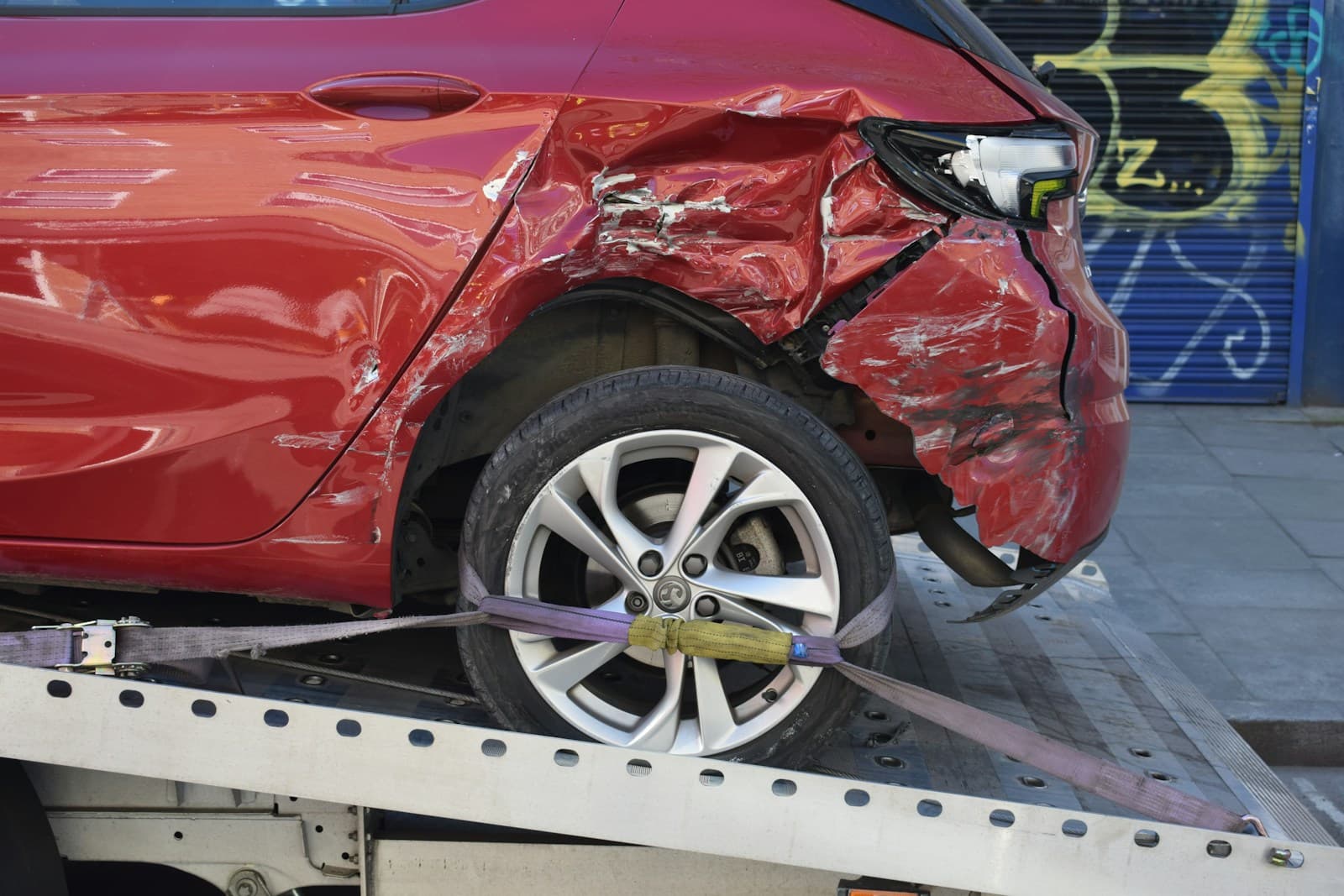
What you lose is the ability to file a claim for damage to your own vehicle after an at-fault accident or a single-vehicle crash, and the ability to file a comprehensive claim for theft or weather damage. If another driver hits you and is at fault, their liability coverage pays for your vehicle damage. Your collision coverage was never involved in that scenario. Collision only pays when you are at fault or the other driver is uninsured and you do not carry uninsured motorist property damage coverage.
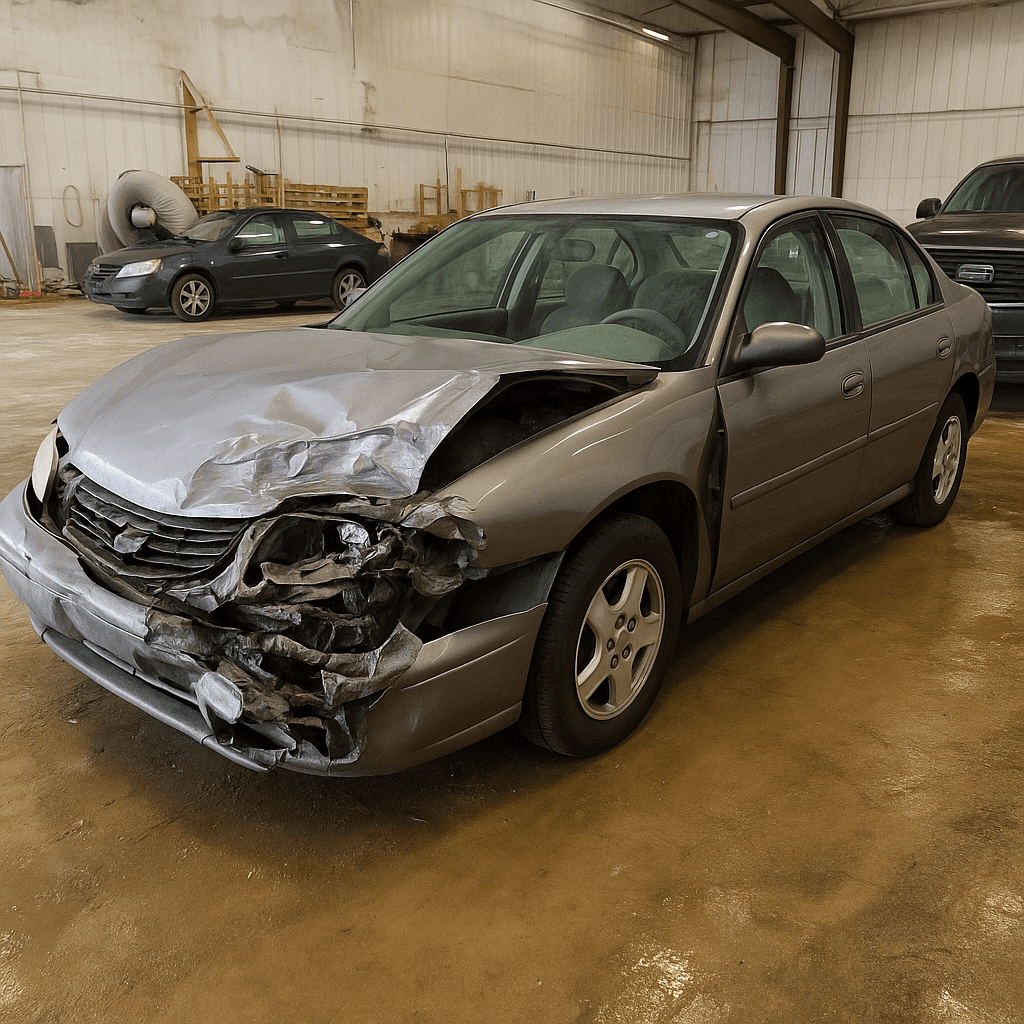
The coverage gap most senior drivers worry about is a total loss they cause themselves. If you back into a pole and total the car, collision would have paid the actual cash value minus the deductible. Without collision, you absorb that loss. The question is whether the annual premium you are paying justifies that protection on a vehicle worth $4,000 or less.
Typical Vehicle Age Threshold
10 years
Most financial advisors suggest reevaluating collision and comprehensive coverage once a vehicle reaches ten years old or drops below $4,000 in actual cash value. At that point, premiums often exceed the maximum claim benefit within three years.
Insurance Information Institute
State-Specific Considerations for Senior Drivers
Some states allow you to increase your liability limits when you drop collision and comprehensive, using the premium savings to buy higher bodily injury coverage. This makes sense for senior drivers with retirement assets to protect. A paid-off home, retirement accounts, and savings are all exposed in a lawsuit after an at-fault accident if your liability limits are too low. Raising your bodily injury coverage from the state minimum to $100,000 per person and $300,000 per accident costs less than continuing to pay collision premiums on a depreciated vehicle.
A few states require you to carry personal injury protection or medical payments coverage regardless of whether you drop collision. Verify your state's requirements before making changes. Your state's Department of Insurance website lists the mandatory coverage types. Most senior drivers already carry Medicare, which covers medical bills after an accident, but PIP or medical payments coverage may still be required by state law and acts as primary coverage before Medicare applies.
What to Do Right Now
Pull your current policy declarations page and find the actual cash value of your vehicle listed in the coverage summary. If it is not listed, look up your car's value using Kelley Blue Book or NADA Guides. Subtract your collision deductible from that figure. That is the maximum amount you can recover if the car is totaled. Compare that figure to three years of your current collision and comprehensive premiums combined. If the premiums exceed the maximum payout, contact your agent or carrier and request a quote showing liability-only coverage with higher bodily injury limits. Ask what your six-month premium would be with collision and comprehensive removed and bodily injury coverage increased to $100,000 per person and $300,000 per accident. Compare the savings to the protection you are giving up, and make the change at your next renewal if the math supports it.