
Why Your Premium Stayed the Same After the Course
You finished the state-approved defensive driving course three months ago. Your renewal notice arrived last week and the premium is identical to last year. Your agent never mentioned submitting the certificate, and the carrier never asked for it. This is the most common mature-driver discount failure mode in Oklahoma: the discount exists, you qualified for it, but the carrier has no record you completed the course because no one told you the certificate must be submitted separately.
Oklahoma law requires every auto insurer writing in the state to offer a mature-driver discount to drivers who complete an approved accident prevention course. The statute is 36 O.S. §924.1, and it guarantees the discount exists. What it does not guarantee is the percentage amount, automatic application, or that your agent will explain the submission process. Most carriers set their own discount percentage through internal filing, and most wait for you to submit documentation before applying it.
Compare rates from carriers that specialize in senior drivers
Mature driver discounts, low-mileage rates, and coverage reviews — see what you're actually eligible for.
Get Your Free QuoteOklahoma Bodily Injury Minimum Per Person
$25,000
Oklahoma's minimum liability coverage is $25,000 per person, $50,000 per accident, and $25,000 property damage. Many senior drivers carry only the minimum from their working years, but retirement assets and home equity are exposed in an at-fault accident when limits are this low.
Oklahoma auto insurance state data, statutory minimums
What the State Mandate Actually Guarantees
The statute says insurers shall allow an appropriate reduction in premium for drivers who complete a state-approved accident prevention course. It does not specify a percentage floor, a renewal cycle, or an expiration window for the certificate. Every one of those details is set by the carrier's internal policy, filed with the Oklahoma Insurance Department but not published in a format most drivers ever see.
This creates a structural gap. You know the discount exists because the law requires it. You do not know how much it is, whether your carrier applies it for three years or one renewal cycle, or whether the certificate you submitted two years ago has already expired in their system. Most agents will not volunteer this information unless you ask the specific question: what is your mature-driver discount percentage, how do I submit proof, and how long does it stay active before I need to re-certify?
The course itself must be approved by the Oklahoma Insurance Department. Not every online defensive driving course qualifies. The approved list includes programs offered through AARP, AAA, and the National Safety Council, but the list changes and some providers market their courses as mature-driver discounts without Oklahoma approval. If you completed a course not on the approved list, the carrier will reject the certificate and you will have paid for a course that does not qualify.
The blocker is informational: you lack the carrier's specific discount percentage, the certificate submission address, and the expiration policy that determines when you must re-certify.
How to Claim the Discount You Already Qualified For
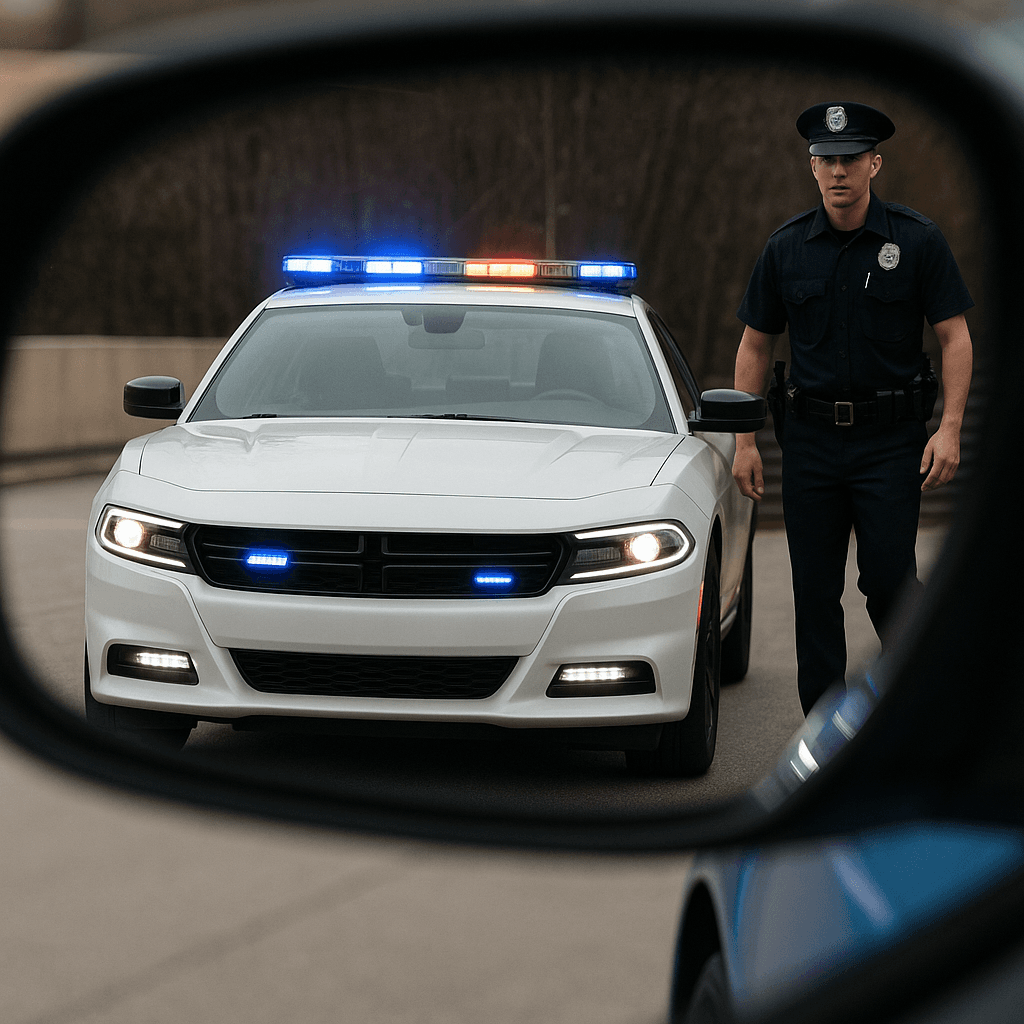
First, confirm your course provider is on the Oklahoma Insurance Department's approved list. Call the provider or check their website for Oklahoma-specific approval language. If the course is not approved, you will need to take a different one. AARP's Smart Driver course and the National Safety Council's Defensive Driving Course are both widely approved, but verify current status before enrolling. Do not assume approval based on another state's list.
Second, request a certificate of completion from the course provider and submit it directly to your insurance carrier. Most carriers accept submission by mail, email, or through your agent, but the submission must happen separately from the course itself. Taking the course does not automatically notify your insurer. Ask your agent or call the carrier's customer service line for the exact submission process, the discount percentage their filing allows, and how many renewal cycles the certificate remains active before you must re-certify. Write down the answers and the name of the person who gave them to you.
Related Articles




State-Specific Quirks That Change the Calculation
Oklahoma uses a dual-track suspension system administered by the Department of Public Safety. Administrative suspensions for insurance lapses, DUI arrests, or point accumulation trigger separately from court-imposed suspensions. A senior driver who lets their policy lapse for 30 days will face a registration suspension from the Oklahoma Tax Commission, and reinstatement requires proof of current insurance plus a reinstatement fee. If the lapse was long enough or you are flagged as a repeat offender, the state may require SR-22 filing for a period after reinstatement.
SR-22 is not insurance; it is a certificate your carrier files with the state proving you carry at least the minimum liability coverage. Not all carriers file SR-22 in Oklahoma. If you need SR-22 and your current carrier does not file it, you will need to switch carriers before you can reinstate your license or registration. Geico, Progressive, State Farm, The General, Bristol West, and National General all file SR-22 in Oklahoma. Allstate and USAA do not use the SR-22 form here.
The mature-driver discount applies to your base premium before SR-22 filing fees are added. If you are required to carry SR-22, expect a filing fee between $15 and $50 depending on the carrier, but the discount percentage applies to the underlying policy premium. Some carriers will not write new policies for drivers with active SR-22 requirements; others specialize in it. If you are in this position, compare carriers that write SR-22 in Oklahoma and ask each one what their mature-driver discount percentage is before you bind coverage.
Low-mileage programs are underutilized by senior drivers in Oklahoma. If you no longer commute and drive fewer than 7,500 miles per year, ask your carrier whether they offer a low-mileage discount or a usage-based program. Geico, Progressive, and Nationwide all offer mileage-based programs in Oklahoma. Some require a telematics device; others allow you to submit an odometer photo at renewal. The savings can be significant for drivers who only use their vehicle for errands and medical appointments.
Carriers Writing Auto Insurance in Oklahoma
25
Oklahoma has 25 major carriers writing personal auto policies, but not all offer the same mature-driver discount percentage and not all file SR-22. Comparing three to five carriers that serve senior drivers well is the only way to confirm which one applies the largest discount to your specific profile.
Oklahoma carrier market data, auto insurance carriers by state
Full Coverage on a Paid-Off Vehicle
Many senior drivers own paid-off vehicles worth between $5,000 and $12,000. The question is whether comprehensive and collision coverage still make financial sense when the vehicle's value is moderate and you are on a fixed income. The rule of thumb is this: if your annual premium for full coverage exceeds 10 percent of the vehicle's current value, you are paying more to insure the vehicle than it is worth over a ten-year period.
Comprehensive coverage pays for theft, vandalism, weather damage, and animal strikes. Collision coverage pays for damage to your vehicle in an at-fault accident. Both carry a deductible, typically $500 or $1,000. If your vehicle is worth $8,000 and your annual premium for comprehensive and collision is $900, you are close to the threshold where dropping coverage and self-insuring makes sense. If the vehicle is worth $4,000 and the premium is $600, you are paying too much relative to the asset.
Liability coverage is not optional. Oklahoma requires $25,000 per person and $50,000 per accident in bodily injury liability, plus $25,000 in property damage liability. If you own a home or have retirement savings, consider increasing liability limits to $100,000 per person and $300,000 per accident. The cost difference is smaller than most seniors expect, and the additional coverage protects assets an at-fault accident could expose.
Medical Payments and Medicare Coordination
Oklahoma does not require personal injury protection, but many policies include medical payments coverage as an optional add-on. Medical payments coverage pays for your medical bills and those of your passengers after an accident, regardless of fault, up to the policy limit. Limits typically range from $1,000 to $10,000.
If you are on Medicare, medical payments coverage coordinates with Medicare as secondary coverage. Medicare pays first, and medical payments coverage fills the gap for deductibles, co-pays, or expenses Medicare does not cover. Some senior drivers drop medical payments coverage assuming Medicare is sufficient, but Medicare does not cover all accident-related expenses immediately and medical payments coverage can prevent out-of-pocket costs while Medicare processes claims. Ask your carrier what the annual cost is for $5,000 in medical payments coverage. If it is under $50 per year, the coverage is worth keeping.
Compare Carriers That Serve Senior Drivers Well
The next step is to request quotes from three to five carriers that write policies in Oklahoma and offer mature-driver discounts. Call each carrier or use their online quote tool, and ask these specific questions: what is your mature-driver discount percentage, how do I submit my course certificate, and how long does the certificate remain active before I need to re-certify. Write down the answers for each carrier so you can compare them directly.
State Farm, Geico, Progressive, Nationwide, and Farmers all write standard-tier policies in Oklahoma and offer mature-driver discounts. If you have a clean driving record and no recent claims, start with these carriers. If you need SR-22 filing or have a recent violation, add The General, Bristol West, and National General to your comparison list. All three specialize in non-standard policies and file SR-22 in Oklahoma. Ask each one what their mature-driver discount is and whether it applies to SR-22-required policies.