
Why Your Premium Increased at Renewal
Your renewal notice arrived with a higher premium. Your driving record is clean. Your vehicle is the same. Your address has not changed. The increase reflects how Maine insurers apply age factors at renewal, not a claim or violation on your part.
Maine requires insurers to offer a mature-driver discount starting at age 55, but the statute does not fix the percentage. Each carrier sets its own amount in its filed rating plan. If you never asked for the discount or submitted proof of a defensive driving course, you are paying the higher rate. This article walks you through how to confirm what your current carrier applies, how to compare carriers that handle senior profiles well, and what coverage adjustments make sense when you no longer commute.
Compare rates from carriers that specialize in senior drivers
Mature driver discounts, low-mileage rates, and coverage reviews — see what you're actually eligible for.
Get Your Free QuoteMaine Discount Age Floor
55+
Maine law requires insurers to offer an appropriate discount to operators aged 55 and older. The statute does not fix the percentage; each insurer sets the amount in its filed rating plan. You must ask your carrier what theirs is.
24-A M.R.S. §2902-G
How the Mature-Driver Discount Actually Works in Maine
The discount is age-based. You qualify at 55 without taking a course. The statute uses the phrase "appropriate discount" and leaves the percentage to the insurer. Some carriers apply 5 percent, others 10 percent, and a few apply more for drivers who complete a state-approved defensive driving course on top of the age qualification.
The discount does not apply automatically at your 55th birthday. You must contact your carrier or agent and confirm that it has been added to your policy. If you switched carriers after age 55, the new carrier may not have applied it unless you asked during the quote process. Check your current declarations page for a line item labeled mature driver, senior driver, or age 55+ discount.
Completing a defensive driving course can increase the discount amount at some carriers, but the course itself is not required to receive the base age discount. The Maine Bureau of Motor Vehicles maintains a list of approved course providers. Courses typically last four to eight hours and can be completed online or in person. The certificate must be submitted to your carrier before renewal to take effect.
Most carriers do not automatically apply the mature-driver discount at renewal. If you qualified years ago and never submitted proof or asked your agent, you are still paying the higher rate.
Comparing Carriers That Write Senior Profiles in Maine

Preferred-tier carriers such as State Farm, USAA, and Amica typically offer the largest mature-driver discounts and the most favorable underwriting for drivers over 70 with clean records. Standard-tier carriers including Geico, Progressive, Allstate, Nationwide, and Travelers offer online quotes and competitive rates for seniors who drive fewer than 7,500 miles per year. Non-standard carriers such as Dairyland, Bristol West, The General, and National General write policies for drivers with recent violations or lapses, but their mature-driver discounts are smaller and their base rates higher.
When you request quotes, ask each carrier three questions: what is your mature-driver discount percentage for my age bracket, do you offer a low-mileage program for drivers under 7,500 miles per year, and do you require a defensive driving course to maximize the senior discount or is it age-based only. The answers vary by carrier. USAA and State Farm typically apply the discount at age 55 without requiring a course. Geico and Progressive offer telematics programs that can reduce premiums for low-mileage retirees. Amica underwrites conservatively and may offer the lowest rates for seniors with decades of clean history.
Related Articles


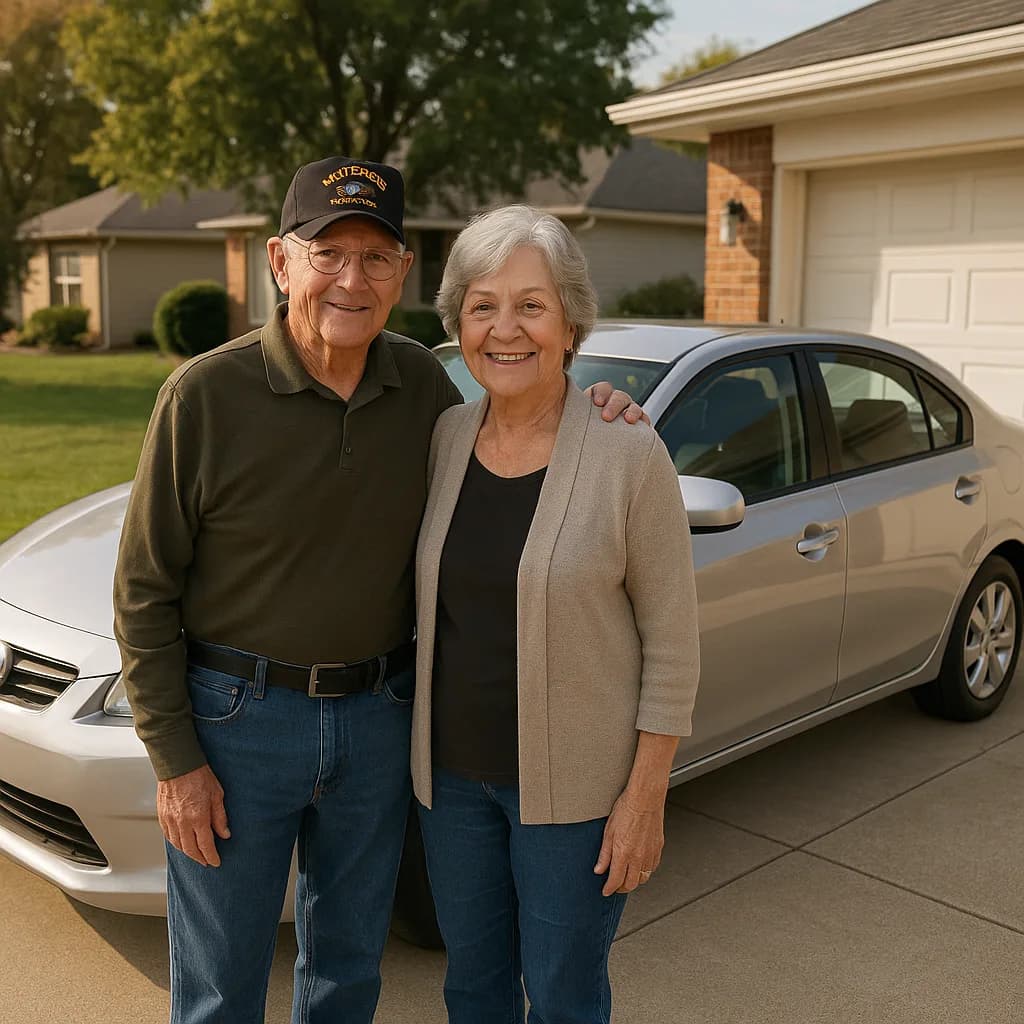



Low-Mileage Programs for Drivers Who No Longer Commute
If you drive fewer than 7,500 miles per year, you qualify for low-mileage programs at most carriers. These programs reduce your premium by 10 to 20 percent compared to standard mileage tiers. Some carriers verify mileage annually through odometer photos submitted at renewal. Others use telematics devices or smartphone apps that track actual miles driven.
Geico, Progressive, and Nationwide offer telematics programs that monitor mileage, time of day, and braking patterns. If you drive primarily during daylight hours and avoid rush-hour traffic, these programs can produce savings beyond the low-mileage discount alone. State Farm and Allstate offer mileage-based programs that do not require telematics but rely on annual odometer verification.
When you request a quote, state your annual mileage clearly. Carriers default to higher mileage tiers unless you specify otherwise. If your mileage dropped after retirement, contact your current carrier and request a mileage adjustment. Most carriers will reduce your premium mid-term if you provide proof of the change.
Maine Bodily Injury Minimum Per Person
$50,000
Maine requires $50,000 per person, $100,000 per accident bodily injury liability, and $25,000 property damage. Seniors with retirement assets often carry higher limits because the minimum does not cover the full exposure in an at-fault accident.
Maine Bureau of Motor Vehicles
Whether Full Coverage Still Makes Sense on a Paid-Off Vehicle
Full coverage means collision and comprehensive on top of liability. If your vehicle is paid off and worth less than $5,000, the annual cost of collision and comprehensive may exceed the maximum payout you would receive after a total loss. Check your current premium for collision and comprehensive. Multiply that annual cost by three. If the result exceeds your vehicle's current market value, dropping collision makes financial sense.
Comprehensive coverage is cheaper than collision and covers theft, vandalism, weather damage, and animal strikes. Many seniors keep comprehensive and drop collision when the vehicle ages past ten years. If you park in a garage and drive infrequently, the risk of a collision claim is lower than the risk of a weather or theft event, making comprehensive the better value.
If you drop collision, increase your liability limits. Retirement assets such as home equity, savings accounts, and investment portfolios are exposed in an at-fault accident. Carrying $250,000 per person and $500,000 per accident bodily injury liability costs less than $15 per month more than the state minimum at most carriers and protects assets a minimum-limits policy would leave exposed.
How Medical Payments Coverage Interacts with Medicare
Medical payments coverage pays your medical bills after an accident regardless of fault. Medicare is your primary health insurer. If you carry medical payments coverage, it pays secondary to Medicare, covering copays, deductibles, and expenses Medicare does not cover. The coverage costs $5 to $10 per month for $5,000 limits.
Maine does not require personal injury protection, so medical payments is optional. If you have Medicare and a Medicare supplement plan, the supplement already covers most out-of-pocket costs. Adding medical payments on top provides minimal additional benefit. If you have Medicare Advantage with higher copays, medical payments can be worth keeping to cover the gap.
What to Do Right Now
Call your current carrier or log into your account online. Confirm whether the mature-driver discount appears on your declarations page. If it does not, ask your agent to add it and request a revised premium quote. If your carrier applies a small discount or requires a course you have not taken, request quotes from three carriers on the preferred-tier list above.
State your annual mileage, your age, and whether you have completed a defensive driving course. Ask each carrier what their mature-driver discount percentage is for your age bracket and whether they offer a low-mileage program. Compare the quotes against your current premium. If the savings exceed $200 per year, switch carriers at your next renewal. If your vehicle is paid off and worth less than $5,000, request a quote without collision coverage and compare the annual savings against the vehicle's value. Make the coverage decision based on the numbers, not assumptions about what you should carry.