
Cheapest Car Insurance for Seniors Over 70 — California
Free to compare
Why Your Premium Increased When Your Driving Didn't
Your renewal notice arrived showing another rate increase. You haven't had an accident in years, no tickets, nothing changed about your driving. The increase feels arbitrary because the carrier never explained what shifted. California insurers use age as a rating factor, and many apply upward pressure on premiums starting around age 70, even for drivers with clean records.
The frustration compounds when you learn that California Insurance Code §11628.3 requires every insurer writing auto policies in the state to offer a mature-driver discount for operators aged 55 and older. The statute exists. The discount is mandatory. But the law does not fix the percentage, and carriers are not required to apply it automatically at renewal. If you never asked for it, you're likely paying the higher rate right now.
“The law guarantees the discount exists. It does not guarantee you're receiving it.”

Find Coverage Made for Drivers Over 65
Get My Senior Auto Insurance Quote55+
California Mature-Driver Discount Age Floor
California Insurance Code §11628.3 requires insurers to offer a mature-driver discount to operators aged 55 and older. The statute does not fix the discount percentage; each insurer sets the amount in its filed rates.
CA Ins. Code §11628.3
What the Statute Requires and What It Leaves to Carriers
California Insurance Code §11628.3 mandates that insurers offer the discount. It does not mandate how much. The law says insurers must set an 'appropriate percentage' based on their own actuarial data. That means one carrier might file a 5% discount, another 12%, and a third might tier it by age bracket. You cannot assume all carriers treat the discount the same way.
The statute also does not require automatic application. Most carriers apply the discount only when the policyholder requests it or submits documentation proving completion of a state-approved defensive driving course. If you qualified at age 55 and never told your carrier, the discount never appeared on your policy. If you completed a course three years ago and the certificate expired, the discount may have disappeared at your last renewal without notice.
This creates a structural gap. The law guarantees the discount exists. It does not guarantee you're receiving it. The action required to close that gap is on you.
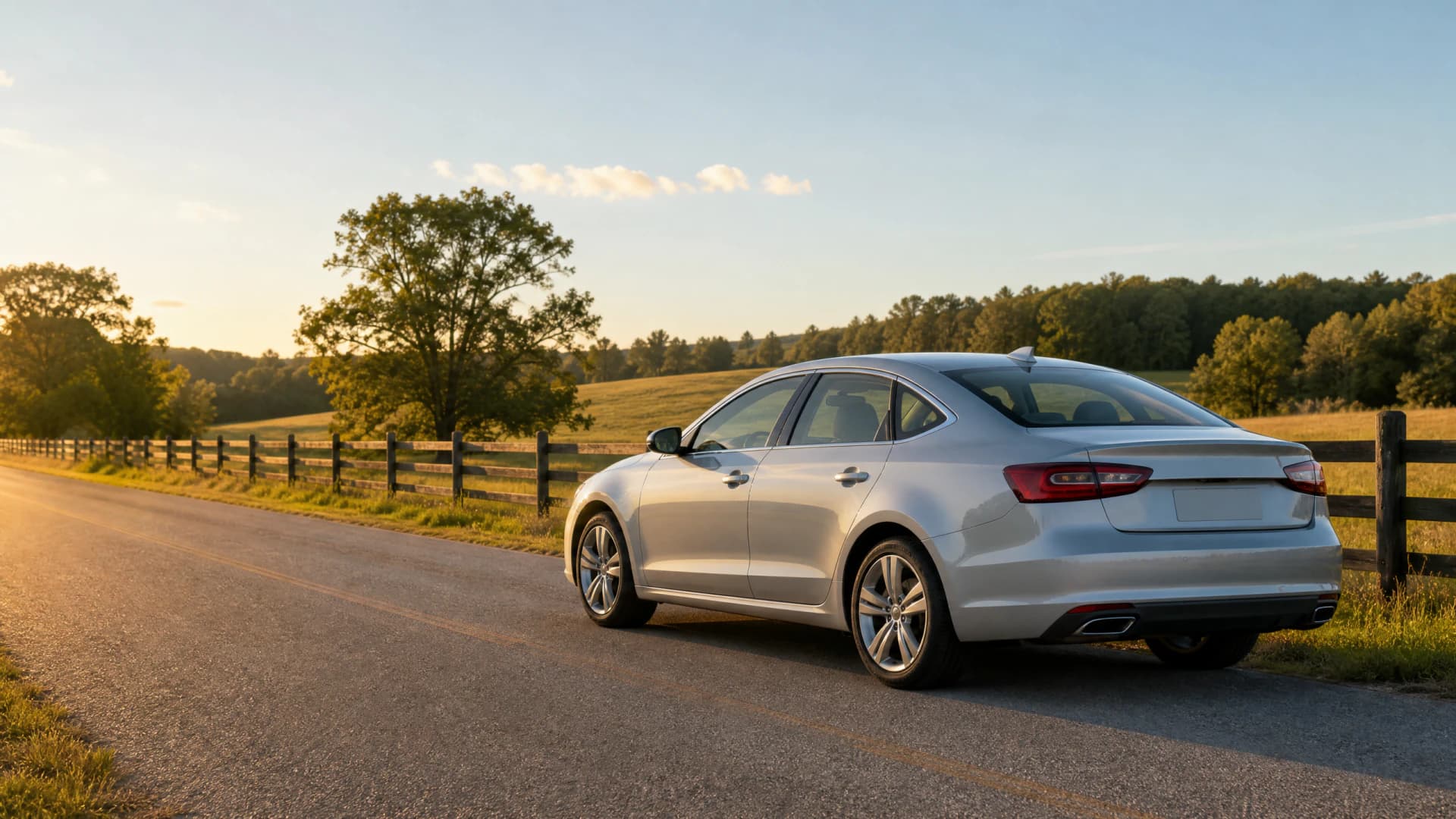
Most California carriers do not automatically apply the mature-driver discount at renewal. If you never submitted proof of eligibility or course completion, you're paying the undiscounted rate.
Related Articles





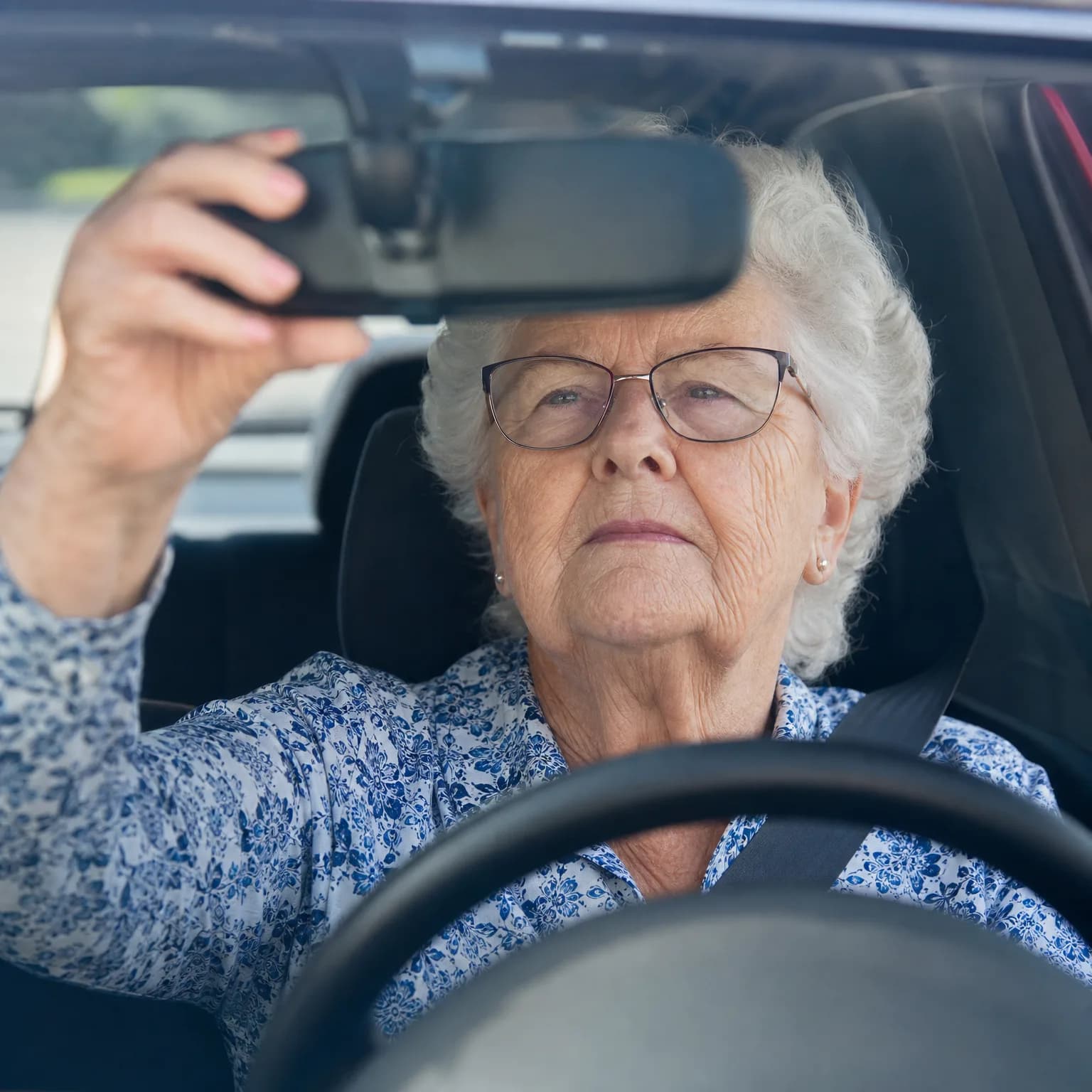

State-Approved Defensive Driving Courses and How They Work
California does not maintain a single statewide list of approved mature-driver courses the way some states do. Instead, insurers individually approve course providers. A course approved by one carrier may not be recognized by another. Before enrolling, confirm with your specific insurer which providers they accept. Ask whether online courses qualify or whether they require in-person attendance.
Course completion certificates typically include an expiration date, often three years from the date you finished the class. If you completed a course in 2022 and your certificate expires in 2025, your discount will likely disappear at your 2025 renewal unless you complete a new course before that date. Most carriers do not send reminders when the certificate is about to expire. Track the date yourself.
Some carriers offer a higher discount percentage for course completion than for age alone. If your carrier applies a 5% age-based discount automatically but offers 10% with course completion, the course becomes worth the time investment. Ask your carrier what the two-tier structure looks like before deciding whether to enroll.
$15,000
California Minimum Property Damage Liability
California requires $15,000 in property damage liability coverage, the lowest state minimum in the country. Retirement assets and home equity are exposed in an at-fault accident when you carry only the minimum. Many senior drivers increase this limit to protect accumulated wealth.
California auto insurance state minimum requirements

Coverage Fit for Paid-Off Vehicles and Fixed Income
If your vehicle is paid off and worth less than a few thousand dollars, comprehensive coverage and collision may no longer make financial sense. A common threshold: if your annual premium for full coverage exceeds 10% of the vehicle's current value, consider dropping collision and comprehensive and carrying liability-only coverage. You're self-insuring the vehicle at that point, but you're also not paying premiums that exceed what you'd recover in a total-loss claim.
Conversely, if you own significant retirement assets or home equity, carrying only California's $15,000 property damage minimum exposes those assets in an at-fault accident. Increasing your liability limits to $100,000/$300,000/$100,000 or higher protects accumulated wealth. The premium difference between minimum limits and higher limits is often smaller than senior drivers expect, especially when the mature-driver discount applies to the entire policy.
Carriers Writing in California That Serve Senior Drivers Well
Not all carriers handle senior profiles the same way. Some specialize in preferred-risk drivers with long clean records. Others penalize age more aggressively in their rating algorithms. State Farm, USAA, and Amica typically offer competitive rates for senior drivers with clean records and apply mature-driver discounts without excessive documentation friction. GEICO and Progressive offer online quotes and transparent discount structures, making it easier to compare what the mature-driver discount actually saves you before committing.
If your record includes a recent ticket or minor at-fault accident, standard carriers may apply surcharges that outweigh the mature-driver discount. In those cases, carriers like Dairyland, Bristol West, or The General may offer better rates because they specialize in non-standard profiles and price the risk differently. Compare at least three carriers, and ask each one explicitly what mature-driver discount they apply and whether it requires course completion.

What to Do Right Now
Call your current carrier today and confirm whether the mature-driver discount is applied to your policy. If it isn't, ask what documentation they need and submit it this week. If your carrier requires course completion and your certificate expired, enroll in an approved course before your next renewal so the discount reinstates without a gap. Then get quotes from at least two other carriers writing in California to confirm you're not overpaying. Bring your current declarations page, your driving record, and the list of approved course providers your current insurer gave you. The comparison takes an hour. The savings compound every year.
How to Confirm What Your Current Carrier Applies
Call your agent or the carrier's customer service line and ask two specific questions: Is the mature-driver discount currently applied to my policy, and if so, what percentage? If it is not applied, ask what documentation they require to add it. Some carriers apply an age-based discount automatically at 55 or 65 with no action required. Others require completion of a state-approved defensive driving course and will not apply the discount until you submit the certificate.
If your carrier requires course completion, ask whether the discount is permanent or renewable. Some insurers apply the discount for three years from the course completion date, then remove it unless you take another approved course. If your certificate expired and the discount disappeared, you'll need to complete a new course to reinstate it. Confirm the expiration date of any active discount so you can plan ahead rather than discovering the removal at renewal.
Get Your Free Quote
Get My Senior Auto Insurance QuoteFrequently Asked Questions
Does California require car insurance companies to offer senior discounts?
Yes. California Insurance Code §11628.3 requires insurers to offer a mature-driver discount to operators aged 55 and older. The statute does not fix the discount percentage; each insurer sets the amount in its filed rates. The discount is mandatory to offer, but carriers are not required to apply it automatically.
How much is the mature-driver discount in California?
California law does not set a fixed percentage. Insurance Code §11628.3 requires insurers to set an 'appropriate percentage' based on their actuarial data. One carrier might apply 5%, another 12%, and some tier the discount by age bracket. Ask your specific insurer what percentage they apply.
Do I need to take a defensive driving course to get the senior discount in California?
It depends on the carrier. Some insurers apply an age-based discount automatically at 55 or 65 with no course required. Others apply a higher discount percentage only when you complete a state-approved defensive driving course and submit the certificate. Ask your carrier which structure they use.
How long does the mature-driver discount last after I complete the course?
Most California insurers apply the discount for three years from the course completion date, then remove it unless you complete another approved course. The certificate includes an expiration date. Track it yourself; carriers typically do not send reminders when it's about to expire.
Can I get the discount if I'm over 70 and haven't taken a course?
Yes, if your carrier offers an age-based discount that does not require course completion. Some insurers apply a smaller percentage automatically at 55, 65, or 70, and a larger percentage with course completion. Ask your carrier whether they offer both tiers and what the difference is.
What happens if my mature-driver discount expires and I don't renew the course?
The discount disappears at your next renewal and your premium increases. Most carriers do not notify you when the certificate is about to expire. If you want to keep the discount, complete a new approved course before the expiration date on your current certificate.
Should I drop full coverage on my paid-off car as a senior driver in California?
If your annual premium for collision and comprehensive exceeds 10% of your vehicle's current value, consider dropping those coverages and carrying liability only. You're self-insuring the vehicle at that point. Keep higher liability limits to protect retirement assets and home equity in an at-fault accident.