
Why Your Premium Rose Despite Your Record
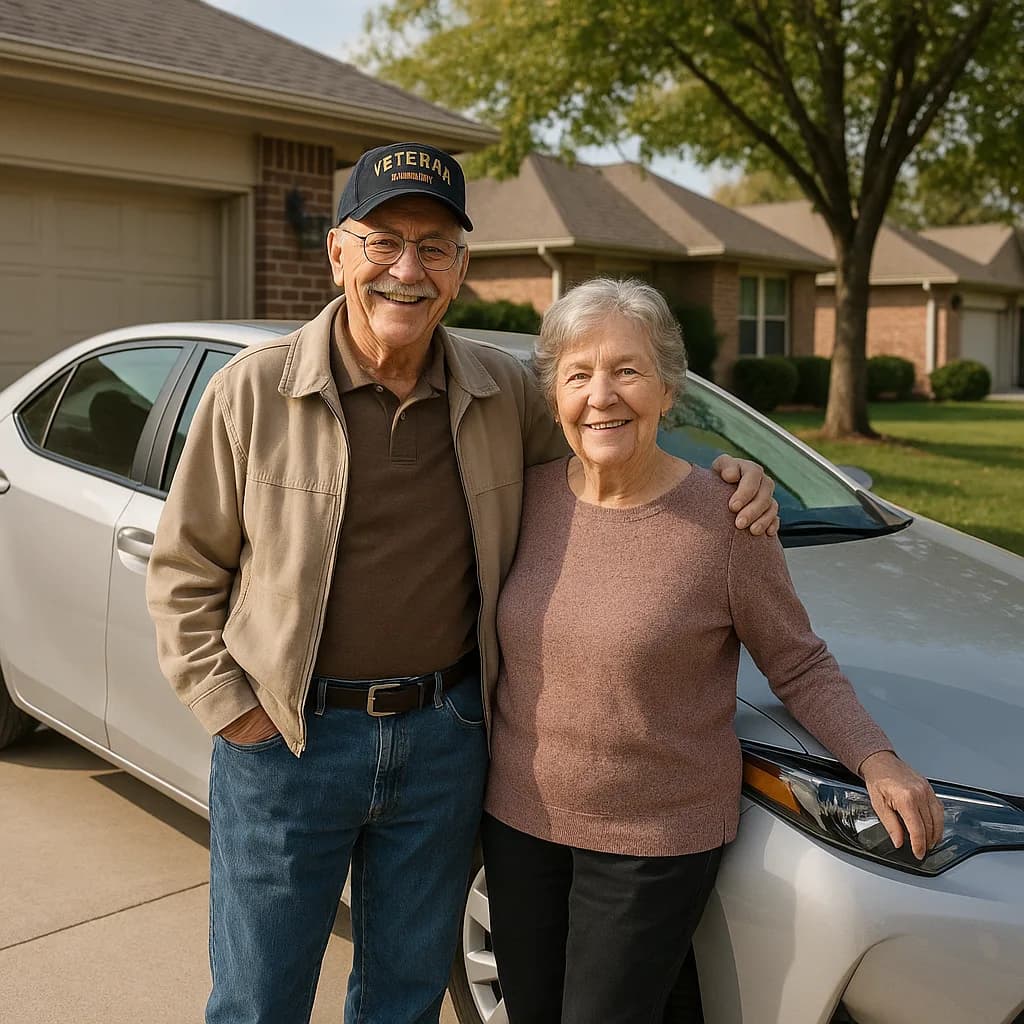
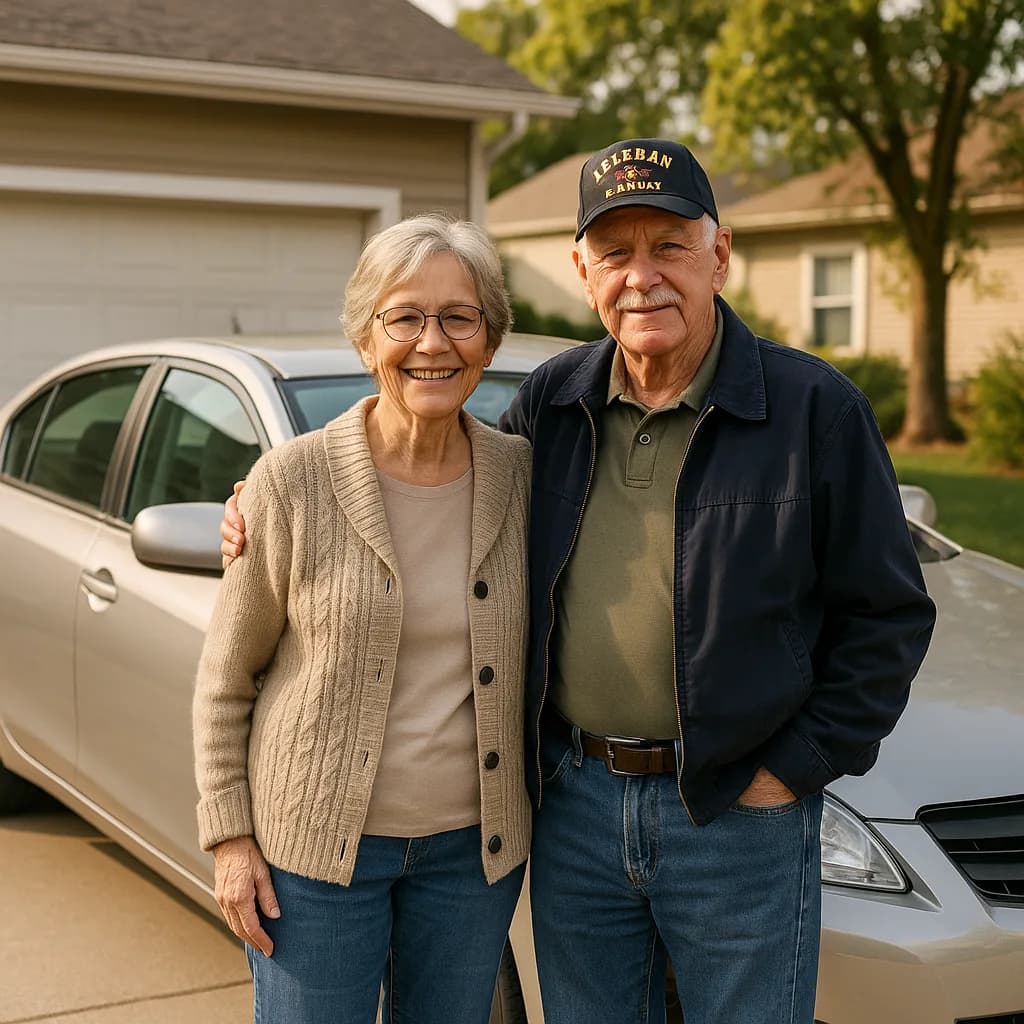
You opened your renewal notice and saw a rate increase you did not expect. Your driving record is clean, your vehicle is the same, and nothing about your household changed. The increase happened because Texas insurers use age as a rating factor and state law does not require them to offset it with a senior or veteran discount. Most carriers offer one or both voluntarily, but they do not apply them unless you ask and submit proof.
The assumption that military service alone guarantees the best rate keeps many senior veterans locked into a single carrier without comparing what others offer. USAA writes policies in Texas and offers military-affiliation discounts, but other carriers writing in the state offer mature-driver course discounts that can stack with or exceed military savings depending on the carrier's filed rates. The only way to know which combination yields the lowest premium is to request quotes with documentation from multiple carriers and compare the final figures side by side.
Compare rates from carriers that specialize in senior drivers
Mature driver discounts, low-mileage rates, and coverage reviews — see what you're actually eligible for.
Get Your Free QuoteTexas Bodily Injury Minimum Per Person
$30,000
Texas requires $30,000 per person, $60,000 per accident bodily injury liability, and $25,000 property damage. These minimums are the legal floor; senior drivers with retirement assets often carry higher limits because an at-fault accident exposes everything above the policy limit to judgment.
Texas Transportation Code Chapter 601
What Texas Law Does and Does Not Require
Texas law does not mandate a senior discount or a veteran discount. Insurers may offer one voluntarily, and most do, but the percentage is set by each carrier's filed rates and can range from negligible to substantial. Because there is no statutory floor, the only way to verify what a carrier offers is to request a quote with your age and veteran status disclosed and compare the premium against a quote without those factors applied.
The mature-driver discount, when offered, typically requires completion of a state-approved defensive driving course. Texas does not mandate this discount either, but carriers that offer it usually require the course certificate to be submitted at application or renewal and renewed every few years. The course is distinct from the ticket-dismissal defensive driving course; the mature-driver version is designed for drivers aged 55 and older and must be approved by the Texas Department of Licensing and Regulation.
Military-affiliation discounts vary widely by carrier. USAA restricts eligibility to active-duty, veterans, and their families and underwrites policies through USAA Casualty Insurance Company, domiciled in Texas. Other carriers writing in Texas, including GEICO, State Farm, and Progressive, offer veteran discounts with different eligibility rules and percentage reductions. None of these discounts are legally mandated, so the amount and the documentation required are set by each carrier's underwriting guidelines.
The blocker: you lack the carrier-specific discount percentages and stacking rules needed to determine whether your current carrier's military discount is better than another carrier's mature-driver course discount or a combination of both.
How to Compare Military and Course Discounts

Start by listing the carriers writing in Texas that explicitly offer veteran or military-affiliation discounts: USAA, GEICO, State Farm, Progressive, and Nationwide all advertise military discounts on their Texas pages. Request a quote from each with your age, veteran status, and current coverage limits disclosed. Ask each agent or online quoting tool whether a mature-driver course discount is available, what the percentage is, and whether it can be applied in addition to the military discount or only one at a time.
Document the final premium for each carrier after all applicable discounts. The carrier with the lowest post-discount premium is the correct choice for your situation, regardless of which discount type produced the reduction. If a carrier offers both discounts but applies only the larger of the two rather than stacking them, ask the agent to calculate both scenarios so you know whether completing the course would change your rate. Most carriers do not volunteer this information; you must ask explicitly.
Related Articles




State-Approved Course Mechanics and Renewal Rules
Texas-approved mature-driver courses are regulated by the Texas Department of Licensing and Regulation under Texas Administrative Code Title 16, Part 4. The course must be completed through an approved provider; completion certificates from out-of-state or unapproved providers will not qualify for the discount. Most carriers require the certificate to be submitted at the time you request the discount and renewed every two to three years depending on the carrier's policy.
The course is available online and in-person. Online courses typically cost between $15 and $30, though this figure is not verified and varies by provider. Completion takes four to eight hours depending on the format. The certificate is issued immediately upon completion for online courses and mailed within a few days for in-person courses. Submit the certificate to your carrier before your renewal date; most carriers will not apply the discount retroactively if you submit it after renewal has processed.
If you switch carriers mid-term, ask the new carrier whether they accept a certificate issued for a previous policy or require a new one. Some carriers accept certificates issued within the past three years; others require a fresh certificate at application. Clarify this before enrolling to avoid paying for a course twice within the same eligibility window.
Carriers Writing Auto Policies in Texas
25
At least 25 carriers write personal auto policies in Texas, including standard, preferred, and non-standard tiers. USAA, GEICO, State Farm, Progressive, Allstate, Nationwide, Farmers, Liberty Mutual, and Travelers all operate in the state. Comparing quotes across multiple carriers is the only way to verify which combination of discounts yields the lowest premium.
Texas Department of Insurance carrier licensing records
Coverage Fit for Paid-Off Vehicles and Fixed Income
Many senior veterans own paid-off vehicles of moderate age and question whether full coverage remains cost-justified. Full coverage includes collision and comprehensive in addition to liability. If your vehicle's market value is low enough that the annual cost of collision and comprehensive premiums plus the deductible exceeds the vehicle's replacement value, dropping those coverages and carrying liability only may be the more rational financial decision.
Medical payments coverage and personal injury protection interact with Medicare in ways most general insurance content does not address. Medicare is primary for medical expenses after an auto accident once you are enrolled, meaning your auto policy's medical payments coverage pays only after Medicare processes the claim. If you carry high medical payments limits, ask your carrier whether reducing that coverage to the minimum or dropping it entirely makes sense given your Medicare enrollment. Some senior drivers keep minimal medical payments coverage to cover the Medicare Part B deductible; others drop it entirely.
What Happens at Renewal if You Do Nothing
If you do not request the mature-driver discount or submit a course certificate, your carrier will not apply it. If you do not disclose your veteran status at application or renewal, the military discount will not appear on your policy. Most carriers do not audit policies to identify qualifying customers and apply discounts retroactively; the burden is on you to request them and provide documentation.
Renewal notices rarely specify which discounts are applied or which you qualify for but have not claimed. If your premium increased at renewal and you have not submitted a mature-driver course certificate or verified that your veteran status is on file, contact your agent before the next renewal cycle and ask explicitly what discounts are available and what documentation is required. If your carrier cannot provide a clear answer or the discount percentage is lower than you expected, request quotes from other carriers writing in Texas and compare the post-discount premiums directly.
Request Quotes with Documentation Before Your Next Renewal
The next step is to request quotes from at least three carriers writing in Texas, disclose your age and veteran status to all of them, and ask each whether they offer a mature-driver course discount and whether it stacks with the military discount. Document the final premium for each carrier after all applicable discounts and compare them against your current renewal premium. If another carrier's post-discount rate is lower, switch before your renewal date to avoid paying the higher rate for another term. If your current carrier offers the lowest rate, verify that all applicable discounts are applied and documented in your policy file so they renew automatically.