
When the Dealer Offers Gap Coverage You Don't Recognize
You're signing the lease paperwork or financing a replacement vehicle and the finance manager slides gap insurance across the table. You've carried auto insurance for forty years and never heard of it. The explanation is fast: it covers the difference if the car is totaled.
Gap insurance is not a coverage type most senior drivers need, but the offer appears at exactly the moment when you're least positioned to evaluate it. It exists to solve a specific structural problem—owing more on a vehicle than the vehicle is worth after a total loss—and that problem applies to a narrow slice of buyers. Most drivers over 65 don't fit that slice.
Compare rates from carriers that specialize in senior drivers
Mature driver discounts, low-mileage rates, and coverage reviews — see what you're actually eligible for.
Get Your Free QuoteSenior Drivers Who Own Outright
Nearly four in five drivers aged 65 and older own their vehicles free and clear, with no loan or lease balance. Gap insurance has no function when there is no gap to cover.
Experian Automotive Finance Market Report, Q4 2025
What Gap Insurance Actually Covers
Gap insurance pays the difference between your car's actual cash value at the time of total loss and the amount you still owe on the loan or lease. Collision coverage pays the actual cash value. Gap coverage pays the remaining loan balance after collision pays out.
The coverage applies only when three conditions align simultaneously: the vehicle is declared a total loss, you owe more than the car is worth, and the loss happens during the coverage period. Miss any one of those and gap insurance pays nothing.
The window closes faster than most buyers expect. That creates the gap. By year three or four, your loan balance and the car's value converge, and the gap disappears.
You cannot use gap insurance after the loan is paid off, after the lease ends, or on a vehicle you own outright. The coverage exists only while you owe more than the car is worth.
When Senior Drivers Actually Need Gap Coverage
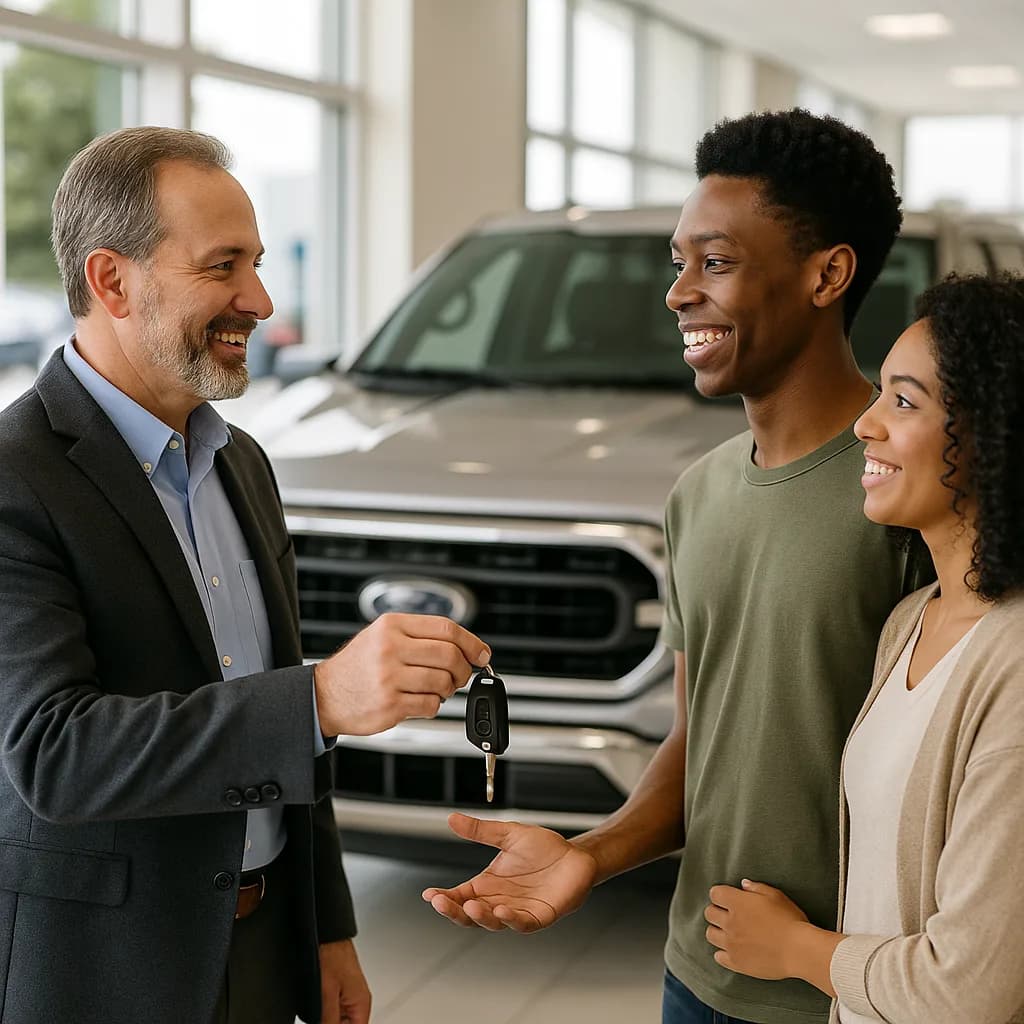
You need gap insurance when you finance most or all of the purchase price with little or no down payment, lease a vehicle with minimal money down, or roll negative equity from a trade-in into the new loan. In each case, you owe significantly more than the car is worth from day one, and a total loss in the first 18 to 24 months leaves you holding a loan balance after the collision payout.
You also do not need it if your loan balance is already below the car's current value, which happens naturally as you pay down principal and the depreciation curve flattens. Buying gap insurance in those situations means paying for coverage that can never trigger.
Related Articles





How Collision Coverage Works Alongside Gap Insurance
Collision coverage is required by your lender or leasing company as long as you owe money on the vehicle. It pays the actual cash value of the car at the time of loss. That value is not what you paid; it is what the car is worth now, after depreciation. You still owe the remaining loan balance.
Gap insurance pays that remaining balance. Without it, you write a check to the lender for the difference while also needing to replace the car. With it, the gap insurer pays the lender and you walk away clean. Collision covers the full amount you owe, and gap insurance sits unused.
Most senior drivers finance conservatively. Larger down payments, shorter loan terms, and lower loan-to-value ratios mean the gap window is narrow or nonexistent.
Typical Gap Coverage Window
12–18 mo
For buyers who finance 90% or more of the purchase price, the gap between loan balance and vehicle value typically closes within 12 to 18 months as the depreciation curve flattens and principal payments accumulate. After that point, gap insurance has no remaining function.
Automotive depreciation models, Kelley Blue Book 2025
Where Gap Insurance Is Sold and What It Costs
Dealerships sell gap insurance at the point of sale, often bundled into the finance contract. That means you pay interest on the gap premium itself. Some auto insurers offer gap coverage as an endorsement to your collision policy.
Dealership gap policies often include cancellation provisions. If you pay off the loan early or trade in the vehicle, you may receive a prorated refund of the unused premium. Read the cancellation terms before you buy. Some policies refund nothing after the first year; others prorate for the full term. If you're not sure you'll keep the car for the full loan term, insurer-sold gap coverage offers more flexibility.
Compare Your Loan Balance Against Your Car's Current Value
Pull your most recent loan statement and note your current balance. Look up your car's actual cash value using Kelley Blue Book, Edmunds, or NADA Guides; enter your VIN, mileage, and condition. If your loan balance is lower than the value shown, you have no gap. Collision coverage already pays more than you owe. If your loan balance is higher, calculate the difference. That difference is what gap insurance would cover in a total-loss scenario.
Run this comparison every six months. The gap shrinks as you pay down principal and as the depreciation rate slows. Once your loan balance drops below your car's value, cancel the gap coverage if you bought it as an insurer endorsement, or note that the dealership policy no longer serves a function. Paying for gap insurance after the gap closes is paying for coverage that cannot trigger.