What Changes at Your Kansas Renewal After 65
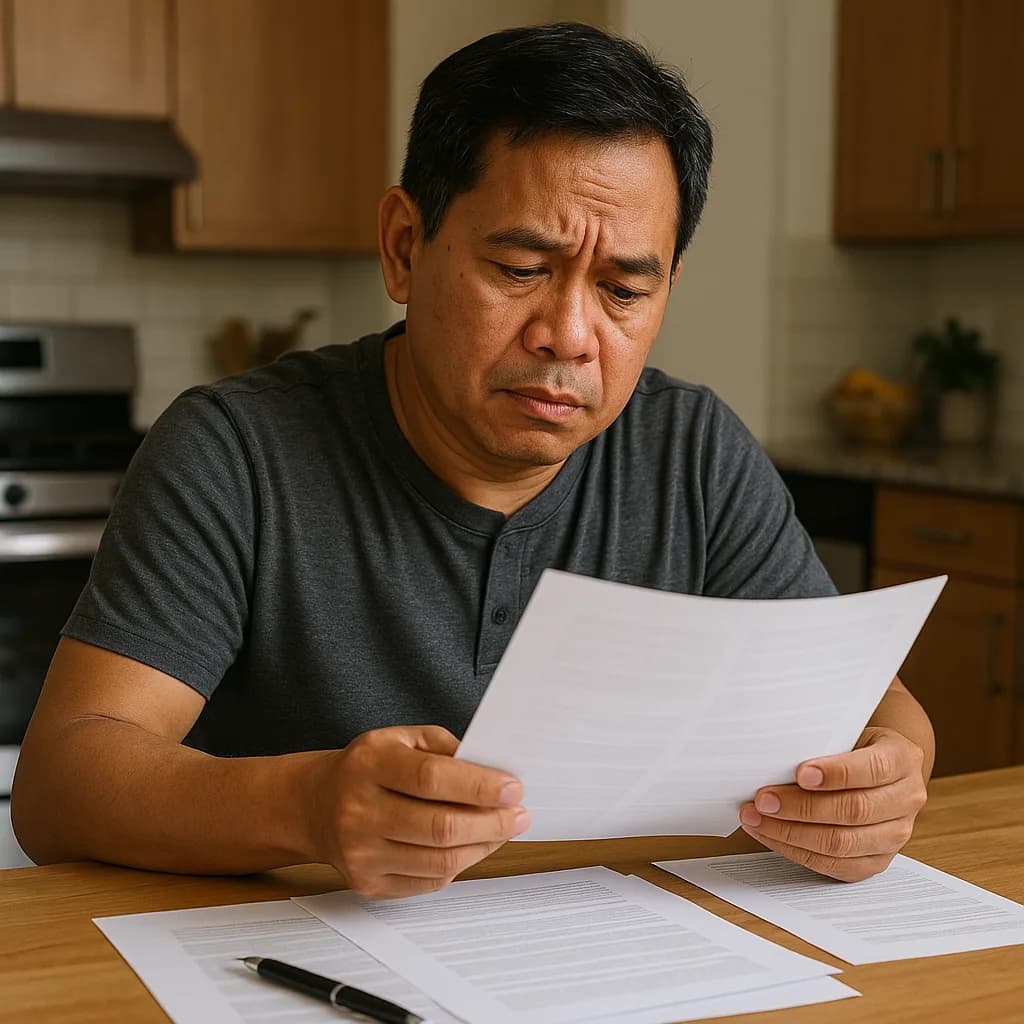
You opened your Kansas license renewal notice and saw the in-person requirement for the first time in years. Kansas law requires drivers 65 and older to renew in person every four years, down from the six-year cycle that applied before age 65. The notice tells you to visit a driver licensing office but doesn't explain the vision screening that now applies at every renewal or what happens if you miss the four-year window.
The in-person requirement starts the renewal period in which you turn 65. If your previous renewal was by mail at age 62, your next renewal at 66 will require an office visit. The four-year cycle continues from that point forward. Most Kansas counties offer walk-in service during business hours, but some rural offices operate on limited schedules and a few require appointments during peak periods.
Compare rates from carriers that specialize in senior drivers
Mature driver discounts, low-mileage rates, and coverage reviews — see what you're actually eligible for.
Get Your Free QuoteStates Requiring Senior Vision Screening
43
Kansas is one of 43 states that require vision screening for senior drivers at renewal. The screening applies at every in-person renewal starting at age 65, and you cannot renew by mail once the in-person requirement begins.
IIHS state licensing rules, verified 2026
Vision Screening and Medical Questionnaire Requirements
Kansas requires a vision test at every in-person renewal starting at age 65. The test measures visual acuity and peripheral vision. You must achieve 20/40 vision in at least one eye to pass without restriction. If you wear corrective lenses, bring them to the appointment; the restriction will appear on your renewed license.
The renewal process includes a brief medical questionnaire asking whether you have experienced certain conditions that could affect driving ability. The questionnaire is self-reported and does not require a physician's signature in Kansas. If you answer yes to any condition, the examiner may ask follow-up questions or request additional documentation, but most renewals proceed without further review.
If you currently use Medicare as your primary health coverage, the medical questionnaire does not require you to disclose that status. Kansas does not coordinate license renewal with Medicare enrollment or ask about insurance coverage type. The questionnaire focuses on specific medical events such as seizures, loss of consciousness, or vision changes, not on your insurance arrangement.
The four-year renewal cycle means your license expires sooner than it did before age 65, and Kansas does not mail a second reminder if you miss the first notice.
Preparing for Your In-Person Renewal Appointment

Bring your current Kansas driver license, proof of Social Security number if this is your first in-person renewal since the REAL ID rollout, and proof of Kansas residency if your address has changed since your last renewal. Acceptable residency documents include a utility bill, bank statement, or mortgage statement dated within the past 90 days. If you have moved within Kansas and did not update your address with the Department of Revenue, bring two proofs of the new address.
Wear your corrective lenses if you use them for driving. The vision test is administered at the counter using a standard vision screening device. If you do not pass the initial screening, the examiner will offer a second attempt. If you still do not meet the 20/40 standard, the examiner will issue a temporary license valid for 60 days and refer you to an eye care professional for a vision report. The report must be submitted before a permanent license is issued.
Related Articles




What Happens If You Miss the Renewal Window
Kansas licenses expire on your birthday in the renewal year. If you do not renew before the expiration date, you are driving with an expired license. Kansas law allows a grace period of up to 60 days after expiration to renew without retaking the written or road test, but you are not legally permitted to drive during that grace period.
If your license has been expired for more than 60 days but less than one year, you must retake the written knowledge test in addition to the vision screening. If your license has been expired for more than one year, you must retake both the written test and the road skills test. The road test requires scheduling an appointment at a driver examination station, and wait times in some Kansas counties exceed two weeks during busy periods.
The renewal notice is mailed approximately 60 days before your birthday. If you do not receive a notice by 45 days before expiration, contact the Kansas Department of Revenue Driver's License Bureau to confirm your mailing address on file. The Department does not send a second notice if the first is returned as undeliverable.
States Requiring In-Person Senior Renewal
24
Kansas is one of 24 states that require an in-person renewal for senior drivers. The requirement begins at age 65 and applies at every subsequent renewal. Mail and online renewal options are not available once the in-person requirement takes effect.
IIHS state licensing rules, verified 2026
How the Renewal Affects Your Auto Insurance
Your auto insurance carrier does not receive automatic notification when you renew your Kansas driver license, but most carriers verify license status at each policy renewal. If your license expires and you do not renew it within the grace period, your carrier may non-renew your policy or require proof of a valid license before issuing the next term.
Kansas does not mandate a mature driver discount, and insurers may offer one voluntarily. Some Kansas carriers offer a discount for completing a state-approved defensive driving course. The course must be approved by the Kansas Department of Revenue, and the discount typically applies for three years from the completion date. Ask your carrier whether they offer a mature driver discount and what documentation they require to apply it.
Schedule Your Renewal Before the Expiration Date
The four-year cycle shortens the time between renewals, and the in-person requirement means you cannot complete the process by mail as you may have done in the past. Check your current license expiration date and plan to visit a driver licensing office at least two weeks before that date. If you need to update your address or bring additional REAL ID documents, allow extra time for the transaction. Most Kansas driver licensing offices publish their hours and appointment policies on the Department of Revenue website.