When the Course Certificate Gets Rejected
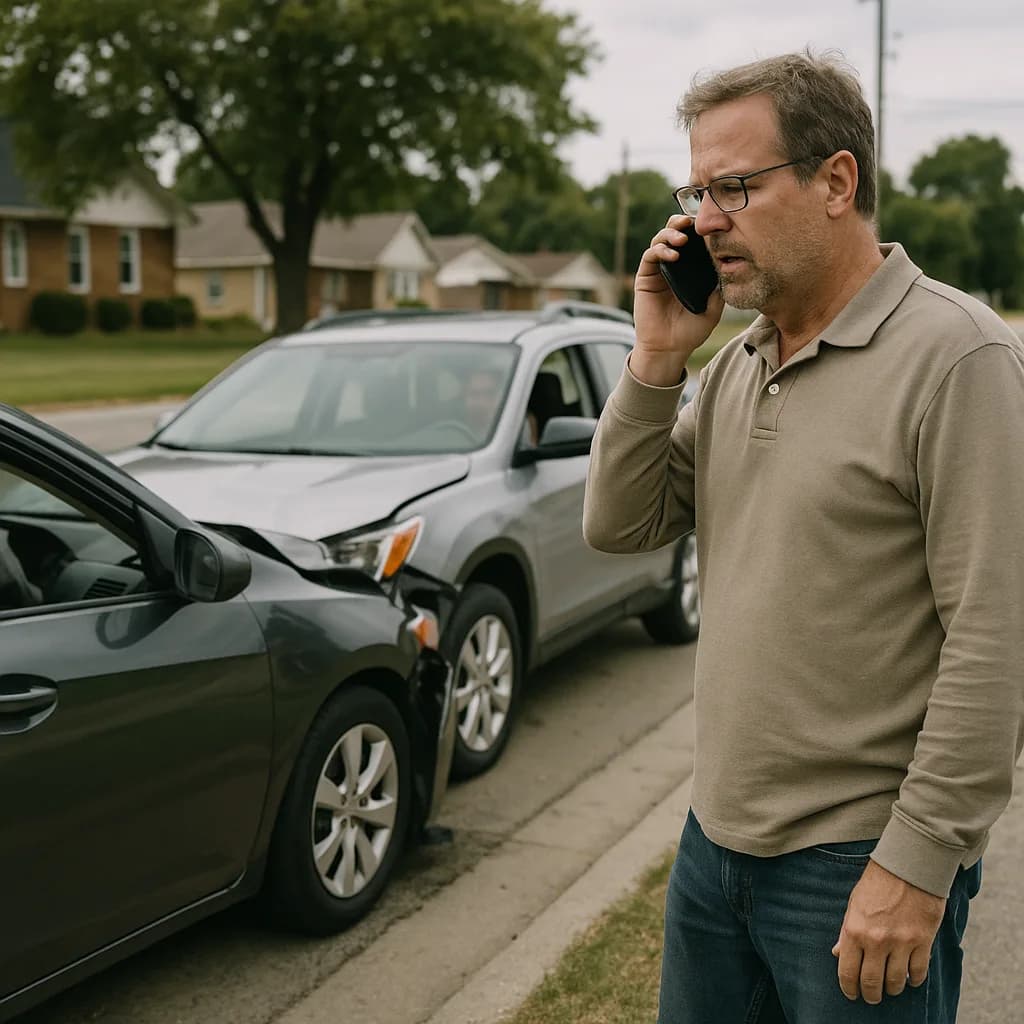
You completed the defensive driving course, mailed the certificate to your agent, and assumed the discount would appear at renewal. It didn't. Your premium stayed the same or increased, and when you called to ask why, the agent told you the course provider wasn't on the state-approved list. You paid for the course, spent the hours, submitted the paperwork—and got nothing.
This is the most common failure mode for Pennsylvania's mature-driver discount. The statute guarantees 5% off for drivers 55 and older who complete an approved course, but the law does not require carriers to tell you which courses qualify before you enroll. Most seniors learn their course didn't count only after the renewal notice arrives with no change.
Compare rates from carriers that specialize in senior drivers
Mature driver discounts, low-mileage rates, and coverage reviews — see what you're actually eligible for.
Get Your Free QuotePA Statutory Mature-Driver Discount
5%
Pennsylvania law requires insurers to offer at least 5% off for operators 55 and older who complete a state-approved driver improvement course. Carriers may offer more than 5%, but the statute sets the floor.
75 Pa.C.S. §1799.2
What Pennsylvania's Mature-Driver Discount Actually Requires
Pennsylvania's mature-driver discount is age-based but course-dependent. The statute applies to drivers 55 and older, not 65—this is one of the few states where the discount threshold starts before typical retirement age. The 5% reduction applies only after you complete a driver improvement course approved by PennDOT, and the course provider must be on the state's current approved list.
The discount is mandatory: every insurer writing auto policies in Pennsylvania must offer it. But the law does not require automatic application. If you never submit proof of course completion, or if the course you took isn't approved, the carrier has no obligation to apply the discount. The 5% is the statutory minimum; some carriers file higher percentages with the state Insurance Department, but you will not know what yours is until you ask and submit documentation.
The certificate has an expiration window. Most approved courses issue certificates valid for three years. If your certificate expires before your next renewal, the discount lapses, and you must complete a new course to reinstate it. Carriers do not send reminders when certificates are about to expire.
The blocker: you lack confirmation that your course provider is on PennDOT's current approved list, so you cannot verify the certificate will be accepted before you pay for the course and submit it.
How to Verify Course Approval Before You Enroll

Before enrolling in any course, contact PennDOT's Bureau of Driver Licensing directly or check the state Insurance Department's consumer resources page for the current approved-provider list. Do not rely on the course provider's website alone—many advertise state approval based on outdated certifications. If the provider is not on the PennDOT list when you call, the certificate will be rejected at renewal regardless of what the marketing page claims.
Once you confirm the provider is approved, enroll and complete the course. When you receive the certificate, submit it to your insurance agent or carrier immediately—do not wait until renewal. Request written confirmation that the certificate was received, accepted, and that the discount will apply at your next renewal date. If the agent cannot confirm acceptance within two weeks, follow up. Certificates submitted without confirmation often sit unfiled, and the discount never gets applied.
Related Articles




Low-Mileage Programs and Retirement-Era Driving Patterns
If you no longer commute, your annual mileage has likely dropped significantly. Pennsylvania carriers offer low-mileage programs, but they are not automatic and the threshold varies by insurer. Some define low-mileage as under 7,500 miles per year; others set it at 5,000. The discount percentage also varies—one carrier may offer 10% off for low-mileage drivers, another 5%, and a third may offer a different rate class rather than a percentage discount.
To qualify, you typically submit an odometer reading or agree to periodic verification. Some carriers use telematics devices that track actual mileage; others rely on annual self-reporting. If you overestimate your mileage at the start of the policy term, you pay the higher rate for the full term even if your actual mileage comes in lower. Most carriers will not adjust mid-term.
The low-mileage discount and the mature-driver discount stack. If you qualify for both, both apply—but only if you request the low-mileage classification and submit the mature-driver course certificate. Neither happens automatically. Carriers writing in Pennsylvania that offer explicit low-mileage programs include Nationwide, Progressive, Allstate, and State Farm, but the program name, threshold, and discount structure differ across all four.
Carriers Writing Auto Policies in PA
25
Twenty-five carriers confirmed writing personal auto insurance in Pennsylvania as of current state filings. Not all offer mature-driver discounts above the statutory 5%, and low-mileage program availability varies widely across this group.
State carrier licensing data
Coverage Fit for Paid-Off Vehicles and Fixed Income
If your vehicle is paid off and more than eight years old, the full-coverage question becomes a judgment call. Collision and comprehensive premiums do not drop proportionally as the vehicle ages—you may be paying $600 per year to insure a vehicle worth $4,000. If the vehicle is totaled, the carrier pays actual cash value minus your deductible, which on an older vehicle may be less than two years of collision premiums.
Pennsylvania requires liability coverage at state minimums: $15,000 per person for bodily injury, $30,000 per accident, and $5,000 for property damage. These minimums are low relative to retirement-era assets. If you are at fault in an accident and the other driver's medical bills exceed $15,000, your personal assets are exposed to the difference. Many financial advisors recommend liability limits of at least $100,000/$300,000 for drivers with home equity or retirement accounts, regardless of vehicle age.
Dropping collision and comprehensive while increasing liability limits often results in a net premium reduction and better asset protection. The decision depends on your vehicle's current value, your deductible, and whether you could replace the vehicle out of pocket if it were totaled. If the answer is yes, and the vehicle is worth less than five times your annual collision premium, dropping physical damage coverage and redirecting that cost toward higher liability limits is the more defensible path.
Medicare and Medical Payments Coverage
Pennsylvania is a choice no-fault state, meaning you select limited tort or full tort when you purchase your policy. Regardless of your tort election, the state requires Personal Injury Protection coverage, which pays your medical expenses after an accident up to the policy limit regardless of fault. PIP coverage duplicates Medicare for accident-related medical bills, and Medicare is always the primary payer for seniors enrolled in it.
If you carry PIP and Medicare, PIP pays first up to its limit, then Medicare covers the remainder. Because Medicare already covers most accident-related medical costs, many senior drivers reduce PIP limits to the state minimum or waive medical expense benefits under PIP if the policy allows it, which lowers the premium. Check whether your policy permits a PIP waiver or reduction if you have Medicare—some carriers allow it, others do not.
Compare Carriers That Handle Senior Profiles Well
Not all carriers treat mature-driver discounts and low-mileage programs the same way. Some apply the statutory 5% and nothing more; others file higher mature-driver percentages or offer additional age-based rate classes that are more favorable to experienced drivers with clean records. The only way to know what you qualify for is to request quotes from multiple carriers and ask each one directly: what is your mature-driver discount percentage, does my course provider qualify, and do you offer a low-mileage program for drivers under 7,500 miles per year.
Request quotes from at least three carriers writing in Pennsylvania. Provide the same coverage limits, the same vehicle, and the same mileage estimate to each. Ask each agent or online quote tool whether the mature-driver discount is already applied in the quote or whether you need to submit documentation after binding. If the discount requires documentation, ask what the timeline is for submission and whether the discount applies retroactively to the policy start date or only from the date the certificate is received.
Carriers confirmed writing in Pennsylvania and offering online quotes include Geico, Progressive, State Farm, Nationwide, Allstate, Erie, and Travelers. Preferred-tier carriers such as Amica and Auto-Owners may offer better rates for seniors with clean records but require broker contact rather than online quoting. Compare the total premium after all discounts are applied, not the base rate before discounts.