
Car Insurance for Senior Veterans — Wisconsin
Free to compare
Why Your Premium Increased Despite Your Record
You opened your Wisconsin auto insurance renewal notice and the premium went up. Your driving record is clean. Your mileage dropped after retirement. You served your country for years and you have been driving safely for decades. Nothing changed on your end, but the rate climbed anyway.
Wisconsin law does not require insurers to offer mature-driver discounts or military discounts. Carriers may offer them voluntarily, but they do not have to tell you about them, and they will not apply them unless you ask and submit documentation. Most senior veterans in Wisconsin qualify for both discounts but pay full rates because they never requested either one.
“Most senior veterans qualify for both discounts but pay full rates because they never requested either one.”

Find Coverage Made for Drivers Over 65
Get My Senior Auto Insurance Quote25
Carriers Writing in Wisconsin
Twenty-five carriers actively write auto insurance in Wisconsin, and each sets its own discount structure. USAA, GEICO, State Farm, and Progressive all operate here, but their military and mature-driver discount amounts vary by carrier filing.
Wisconsin Office of the Commissioner of Insurance, carrier licensure records
What Wisconsin Law Actually Requires
Wisconsin does not mandate mature-driver discounts. State law does not require insurers to offer a discount for completing a defensive driving course, and it does not require a discount based on age alone. Carriers may offer these discounts voluntarily, and many do, but the percentage is set by each carrier's own rate filing with the state.
Military discounts work the same way. Wisconsin law does not require carriers to offer discounts to veterans or active-duty service members. USAA, GEICO, and several other carriers do offer military discounts, but the amount varies and you must request it when you apply or at renewal.
This means two things. First, you cannot assume your current carrier offers either discount just because you qualify. Second, even if they do, the discount will not appear on your policy unless you ask for it and provide the required documentation.
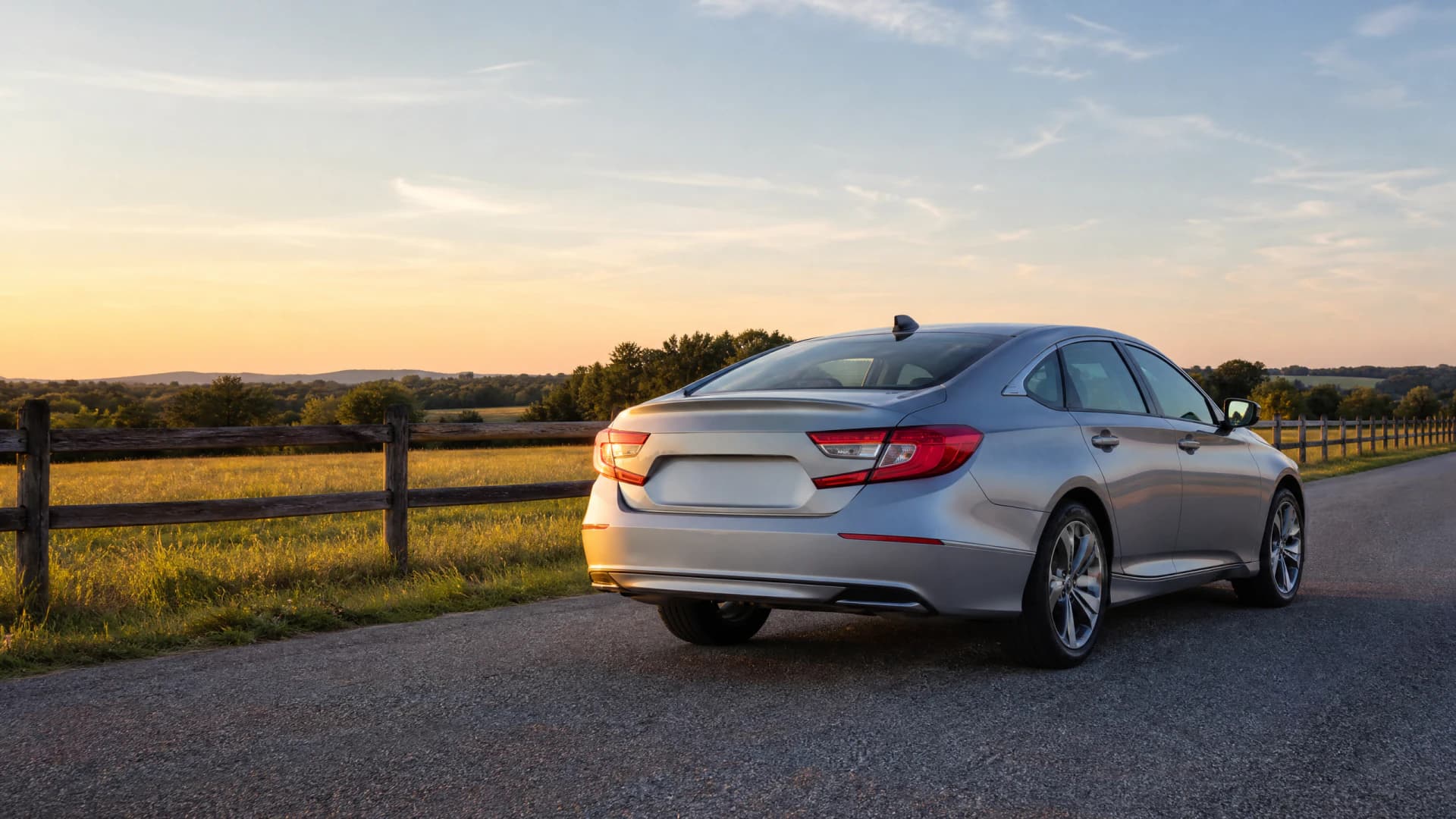
Most senior veterans in Wisconsin qualify for both discounts but never submit the documentation, so carriers keep charging full rates while neighbors who asked save every renewal cycle.







Why Comparing Carriers Matters More for Veterans
USAA restricts eligibility to active-duty service members, veterans, and their families, and it consistently offers some of the strongest military discounts in the industry. If you qualify for USAA membership, get a quote. GEICO and Progressive also write in Wisconsin and offer both military and mature-driver discounts, but the amounts differ from USAA's.
State Farm and Allstate operate in Wisconsin and offer mature-driver discounts, but their military discount structures vary. Some carriers offer the military discount only to active-duty members, not veterans. Others extend it to veterans but set a lower percentage than they offer for active duty. Ask each carrier explicitly whether the military discount applies to veterans and what the percentage is.
The mature-driver discount also varies by carrier. Some carriers in Wisconsin offer it automatically at age 65 without requiring a course. Others require course completion and certificate submission. A few carriers offer a small age-based discount at 65 and a larger discount if you complete the course. You will not know which structure your carrier uses unless you ask.
$25,000
Wisconsin Bodily Injury Minimum Per Person
Wisconsin requires $25,000 per person, $50,000 per accident for bodily injury, and $10,000 for property damage. Many senior drivers carry higher liability limits because retirement assets are exposed in an at-fault accident, and the state minimum does not cover much.
Wisconsin Statutes § 344.62

Coverage Decisions That Matter More After Retirement
If your vehicle is paid off and worth less than a few thousand dollars, dropping collision and comprehensive coverage may make sense. The premium you pay for full coverage on an older vehicle often exceeds what the insurer would pay out if the vehicle were totaled. Check your policy declarations page for your current collision and comprehensive premiums, then compare that annual cost to your vehicle's actual cash value.
Liability coverage is a different decision. Wisconsin's minimum liability limits are low, and an at-fault accident can expose your retirement savings, your home equity, and your future income to a lawsuit. Many senior drivers increase their liability limits to $100,000 per person and $300,000 per accident, or they add an umbrella policy. The cost difference between state minimum liability and higher limits is often smaller than the cost of collision coverage on an older vehicle.
Medical payments coverage and personal injury protection overlap with Medicare for senior drivers, but they work differently. Medicare covers your medical bills after an accident, but it does not cover passengers in your vehicle, and it may seek reimbursement if the accident was someone else's fault. Medical payments coverage is inexpensive and covers passengers without the coordination-of-benefits complexity that PIP introduces. Ask your carrier how med pay and Medicare interact in Wisconsin before you drop it.
What Happens at Your Next Renewal
Most mature-driver course certificates expire after three years. If your carrier applied the discount when you first submitted the certificate, it will disappear at the renewal following expiration unless you complete the course again and submit a new certificate. Carriers do not send reminders. The discount just drops off, and your premium increases.
Military discounts typically do not expire, but some carriers require you to re-verify your status periodically. If you switch carriers, you will need to request the military discount again and submit documentation even if your previous carrier had it on file. Discounts do not transfer between carriers.
If you move to a different address within Wisconsin, your rate may change even if your driving record and coverage stay the same. Wisconsin uses territory rating, and premiums vary by ZIP code based on accident frequency, theft rates, and claim costs in each area. A move from a rural county to a city, or from one city to another, can shift your rate significantly. Request new quotes after a move rather than assuming your current rate will follow you.

The Next Step
Call your current carrier today and ask two questions: what military discount do you offer for veterans, and what mature-driver discount do you offer for drivers aged 65 and older. Write down the percentage for each and the documentation they require. Then get quotes from USAA if you qualify, and from GEICO, Progressive, and State Farm. Ask each one the same two questions. Compare the total premium after both discounts are applied, not just the discount percentages. The carrier with the largest discount percentage may not have the lowest total premium. Choose the carrier that gives you the lowest rate for the coverage you actually need, and submit the documentation the day you bind the policy so the discounts apply from day one.
How to Request Both Discounts at Once
Start with your current carrier. Call your agent or the carrier's customer service line and ask two questions: does the carrier offer a military discount for veterans, and does it offer a mature-driver discount for drivers aged 65 and older who complete a state-approved defensive driving course. If the answer to either is yes, ask what documentation they need and what the discount percentage is. For the military discount, most carriers accept a DD-214 or a veteran ID card. For the mature-driver discount, you will need a certificate of completion from a state-approved course provider.
Wisconsin does not maintain a single list of approved course providers on the Department of Transportation website, so ask your carrier which courses they accept before you enroll. AARP, AAA, and the National Safety Council all offer courses that most Wisconsin carriers accept, but confirm with your carrier first. The course typically costs between fifteen and thirty dollars and takes four to eight hours to complete online or in person. Once you finish, the provider issues a certificate. Submit the certificate to your carrier and ask them to confirm in writing that the discount has been applied and when it will appear on your policy.
Get Your Free Quote
Get My Senior Auto Insurance QuoteFrequently Asked Questions
Does Wisconsin require car insurance companies to offer military discounts?
No. Wisconsin law does not require insurers to offer military discounts. Carriers may offer them voluntarily, and many do, but the discount amount is set by each carrier's rate filing. USAA, GEICO, Progressive, and several other carriers operating in Wisconsin offer military discounts, but you must request the discount and submit documentation such as a DD-214 or veteran ID card.
Does Wisconsin require a mature-driver discount for seniors?
No. Wisconsin does not mandate mature-driver discounts. Insurers may offer them voluntarily, and many carriers in Wisconsin do, but the percentage and eligibility requirements vary by carrier. Some offer the discount automatically at age 65; others require completion of a state-approved defensive driving course and certificate submission.
How long does a Wisconsin mature-driver course certificate last?
Most carriers accept mature-driver course certificates for three years. After three years, the certificate expires and the discount drops off your policy at the next renewal unless you complete the course again and submit a new certificate. Carriers do not send reminders when the certificate is about to expire.
Can I get both a military discount and a mature-driver discount on the same policy?
Yes, if your carrier offers both. Most carriers that offer military discounts and mature-driver discounts allow you to stack them on the same policy. You must request both discounts separately and submit the required documentation for each. The combined discount amount varies by carrier.
Does USAA offer the best rates for senior veterans in Wisconsin?
USAA consistently offers strong military discounts and restricts membership to service members, veterans, and their families, but whether it offers the lowest total premium depends on your specific profile and coverage needs. Get quotes from USAA, GEICO, Progressive, and State Farm, and compare the total premium after all discounts are applied, not just the discount percentages.
What liability limits should senior drivers carry in Wisconsin?
Wisconsin requires $25,000 per person and $50,000 per accident for bodily injury liability, and $10,000 for property damage. Many senior drivers carry higher limits—$100,000 per person and $300,000 per accident—because retirement assets are exposed in an at-fault accident and the state minimum does not cover much. Ask your agent about umbrella policies if you have significant home equity or retirement savings.
Should I drop collision coverage on my paid-off vehicle?
If your vehicle is worth less than a few thousand dollars, dropping collision and comprehensive coverage may make sense. Compare your annual collision and comprehensive premium to your vehicle's actual cash value. If the premium exceeds the payout you would receive if the vehicle were totaled, the coverage is not cost-justified. Liability coverage is a separate decision and should not be reduced.